5 mistakes people make in the first hour after a car accident
What you do in the first sixty minutes shapes the claim, the repair and the resale value of the car. Most of the damage is procedural, not physical.
By GROZAH AUTO LAB
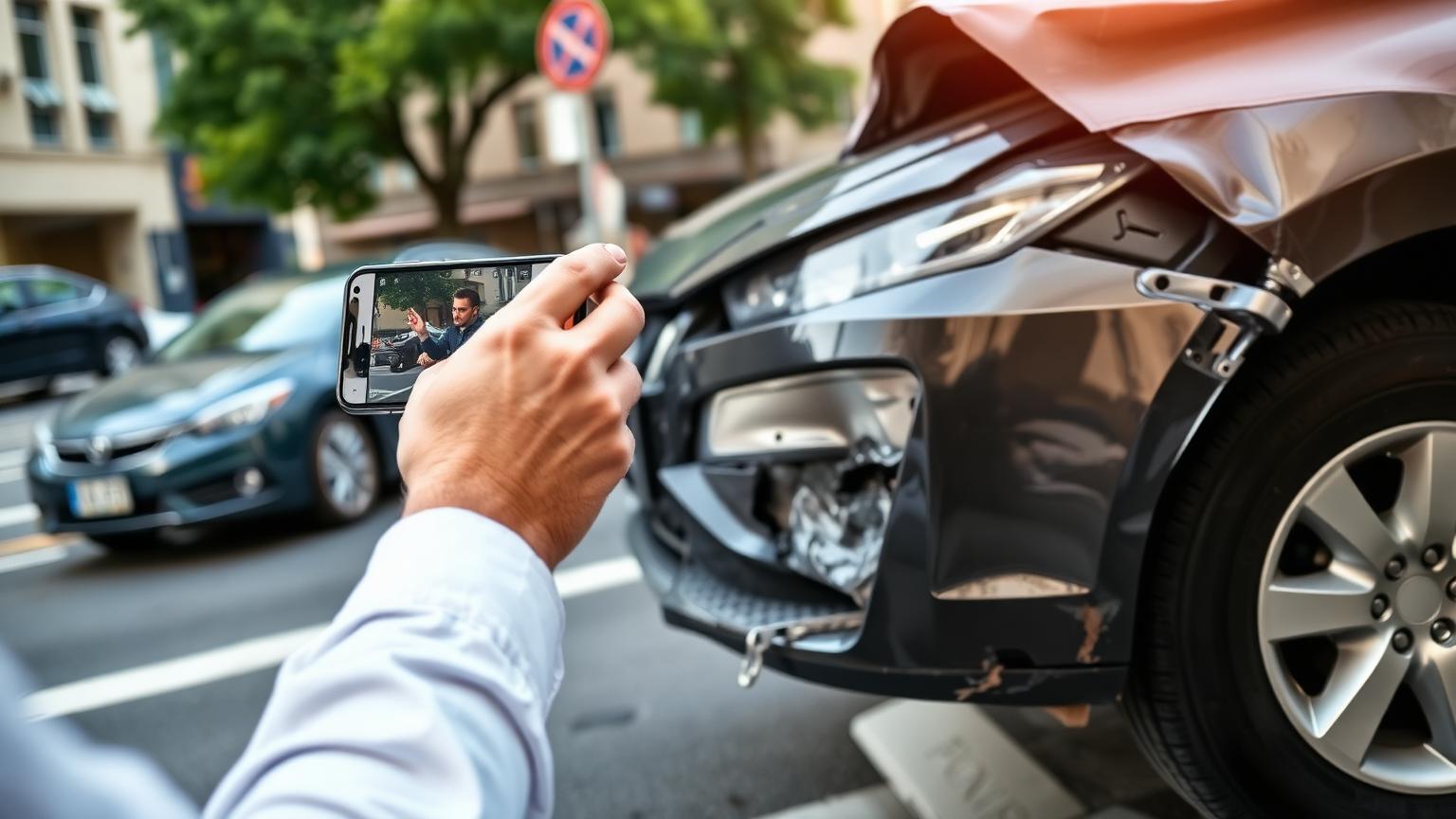
Mistake one: moving the cars before documenting the scene. If nobody is in danger and traffic allows, photograph final positions first — wide shots showing both vehicles and the lane markings, then close-ups of every contact point. Position photographs are the single most persuasive evidence in a disputed liability claim, and they cannot be recreated later.
Mistake two: saying more than the facts. Apologies and speculation about speed get written down and repeated. Exchange the required information, describe what happened factually to police, and let the physical evidence carry the argument. Mistake three: skipping medical documentation because you feel fine — soft tissue injuries commonly present hours later, and an unrecorded gap weakens a legitimate claim.
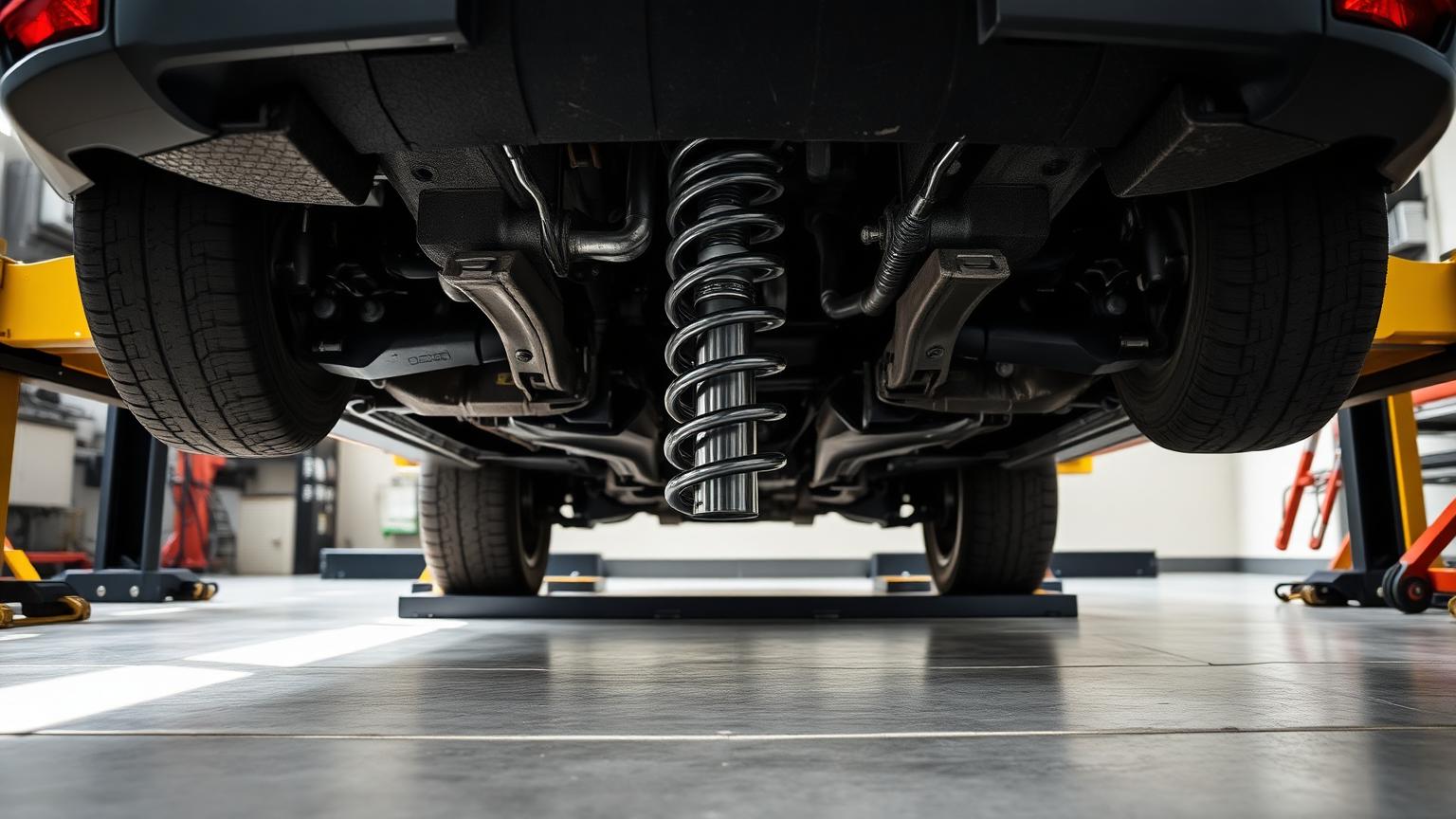
Mistake four: accepting the first shop you are steered toward without asking questions. In California you choose your repair facility; the insurer can recommend, not require. What matters is whether the shop follows manufacturer repair procedures, recalibrates driver-assistance systems, and documents everything — that documentation is what protects the car's value later.
Mistake five: treating the estimate as the final number. First estimates are written from what is visible. Modern unibody cars hide damage behind bumper covers and inside structural rails, and supplements after teardown are normal, not a red flag. Ask for a teardown-based estimate, ask for photographs of the hidden damage, and keep every document in one place from day one.
Where this is handled
GROZAH AUTO LAB
Collision, structural and paint work in Los Angeles — including ADAS recalibration and insurance claims.
Visit AUTO LAB →