Top 7 vehicle types that hold value best in Los Angeles
Depreciation is not random. In this market it follows fuel prices, climate, insurance costs and how easy a car is to service.
By GROZAH AUTO SALES
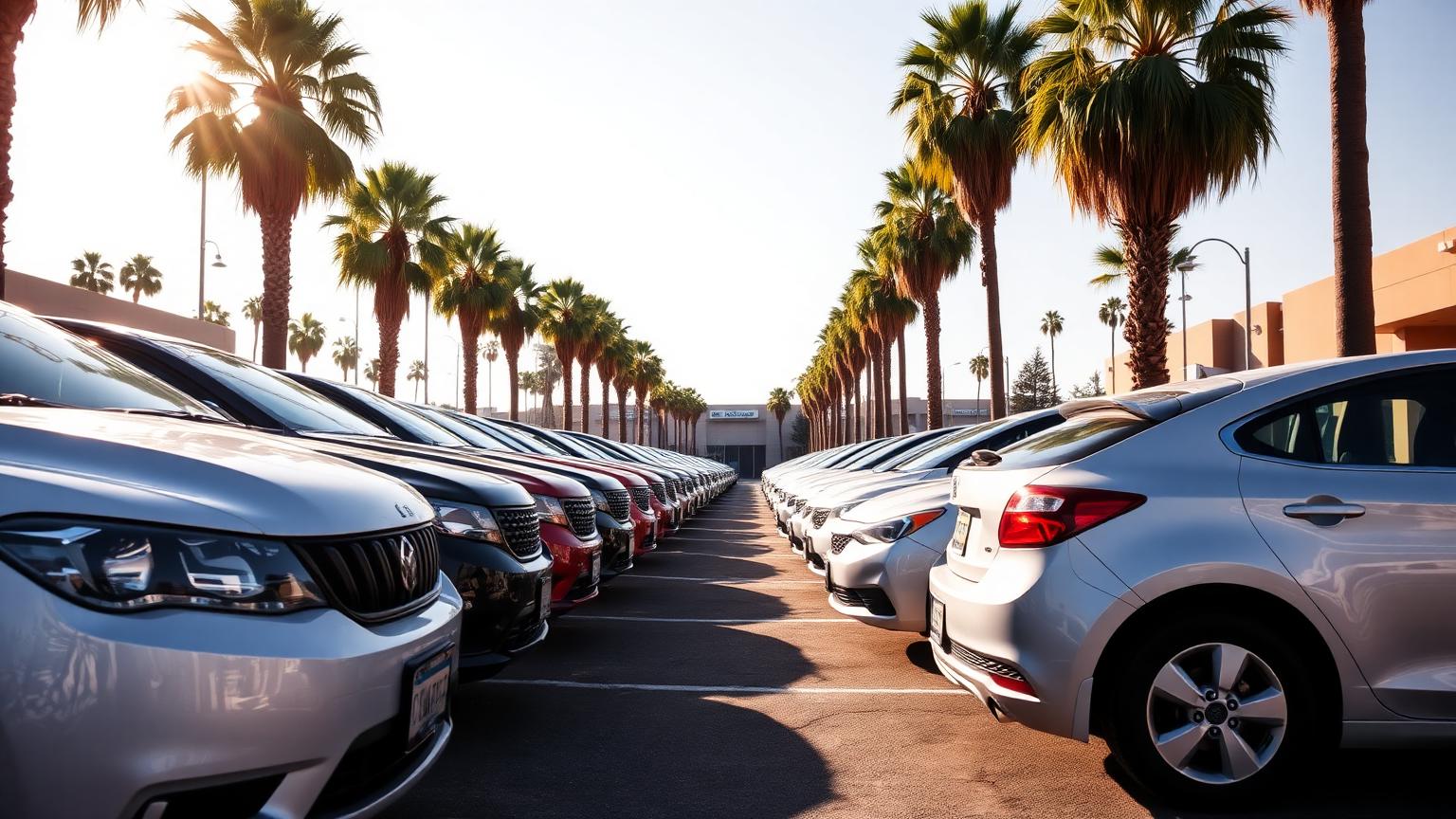
Residual value is a market opinion about future demand, and Los Angeles has its own opinions. Long commutes reward efficiency. Year-round sun rewards intact paint and interiors. Dense traffic punishes anything expensive to insure or repair. Those forces are why national depreciation tables often mislead buyers here.
The categories that consistently hold up: hybrid mid-size sedans and compact hybrid crossovers, because fuel economy stays desirable regardless of fuel prices; body-on-frame mid-size trucks with a strong service ecosystem; and enthusiast-market sports cars produced in limited numbers with manual transmissions, which behave like collectibles rather than transport.
Also durable: reliable three-row family SUVs from mainstream brands, EVs with a well-supported charging platform and documented pack health, work-capable vans as small-business demand keeps used supply thin, and clean low-mileage examples of any model in the final year before a redesign — buyers of the outgoing shape get the depreciation curve after somebody else absorbed the steepest part.
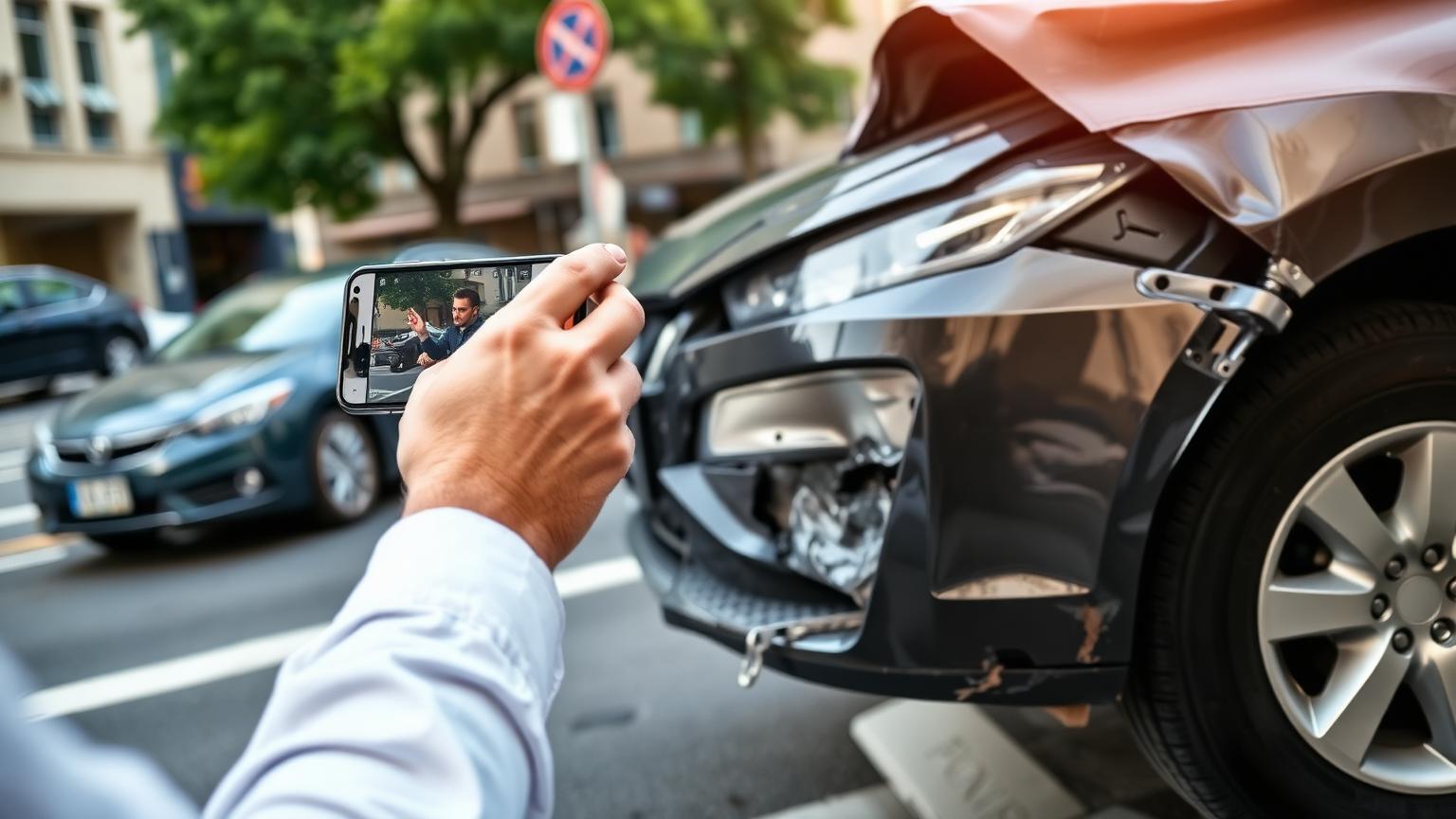
What actually sets a specific car's number, though, is documentation: a continuous service history, receipts for wear items, and body work that was done to manufacturer procedure rather than the cheapest quote. Two identical cars with a $6,000 price gap between them are usually separated by paperwork, not condition.
Where this is handled
GROZAH AUTO SALES
Buyer-side brokerage: sourcing, lease-versus-finance modelling and deal negotiation.
Visit AUTO SALES →