6 signs your brakes need attention before the pedal tells you
By the time braking feels different, you have usually passed the cheap repair. These are the earlier signals.
By GROZAH MOTOR WORKS
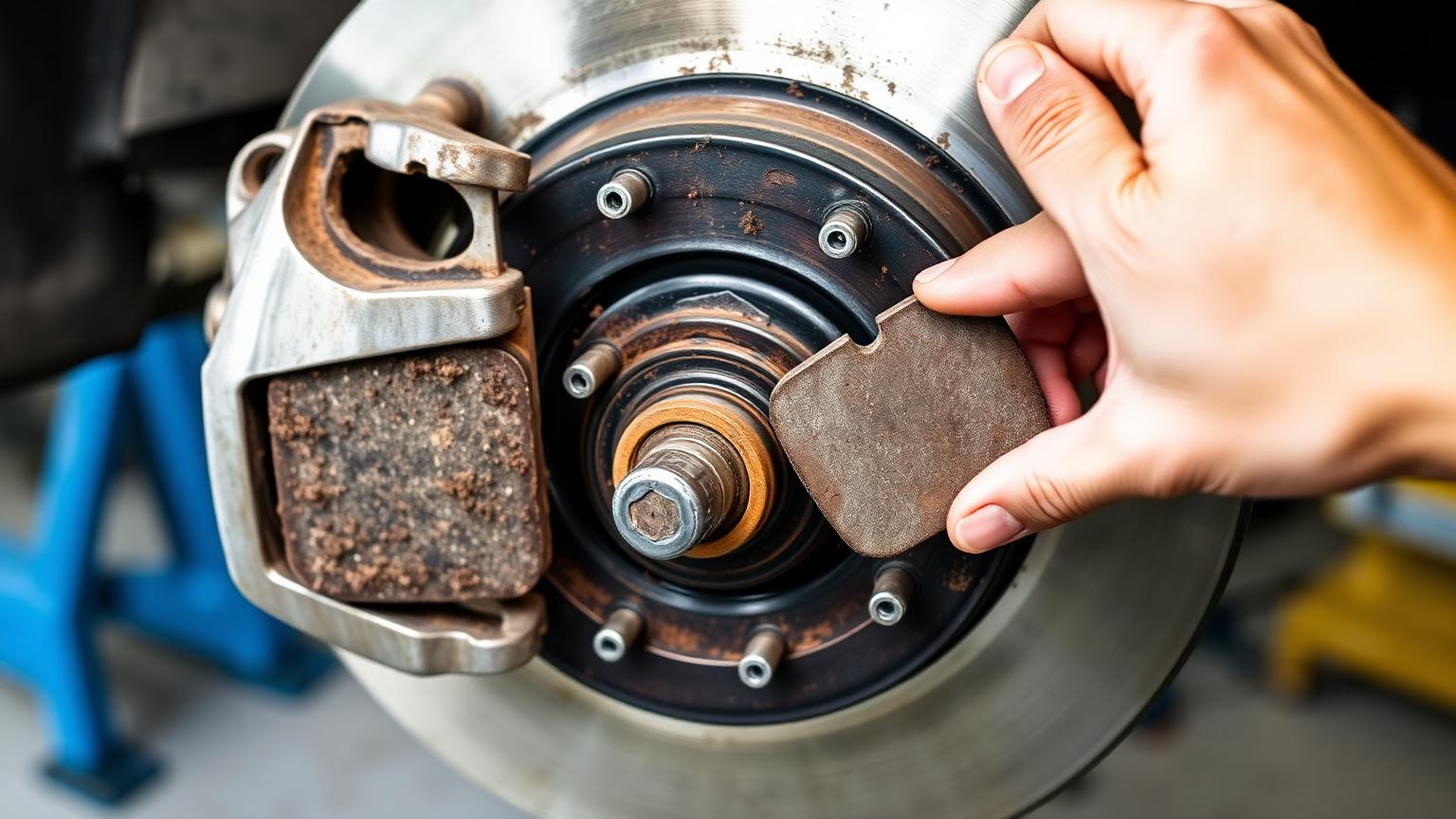
One: a high-pitched squeal that appears only when you are not braking. That is the wear indicator, a small metal tab designed to contact the rotor as the friction material thins. It is a scheduled-maintenance warning, not an emergency — but it becomes one once it turns into a grinding noise, which means the pad backing plate is now cutting the rotor.
Two: steering-wheel vibration under braking from higher speeds, which usually means uneven pad deposits or rotor thickness variation rather than a warped rotor in the literal sense. Three: the car pulling to one side as you brake, pointing at a sticking caliper slide pin or a collapsed hose. Four: a parking brake that needs noticeably more travel than it used to.
Five: dark, thick dust on one wheel only. Brake dust should be broadly symmetrical across an axle; asymmetry means one corner is doing more work. Six: brake fluid that looks dark rather than pale straw. Fluid absorbs moisture over time, which lowers its boiling point and softens the pedal precisely when you need it most — under sustained heat on a canyon descent.
Two habits keep brakes cheap. Have pad thickness measured at every service and written on the invoice so you can watch the trend, and change fluid on time rather than on symptom. In stop-and-go Los Angeles traffic, brakes are the wear item that most reliably converts small neglect into large invoices.
Where this is handled
GROZAH MOTOR WORKS
Diagnostics, mechanical repair and scheduled maintenance for modern vehicles in Los Angeles.
Visit MOTOR WORKS →