9 noises your car makes and what each one is telling you
Squeal, clunk, whine, tick, grind. A field guide to describing symptoms so a technician can find them quickly.
By GROZAH MOTOR WORKS

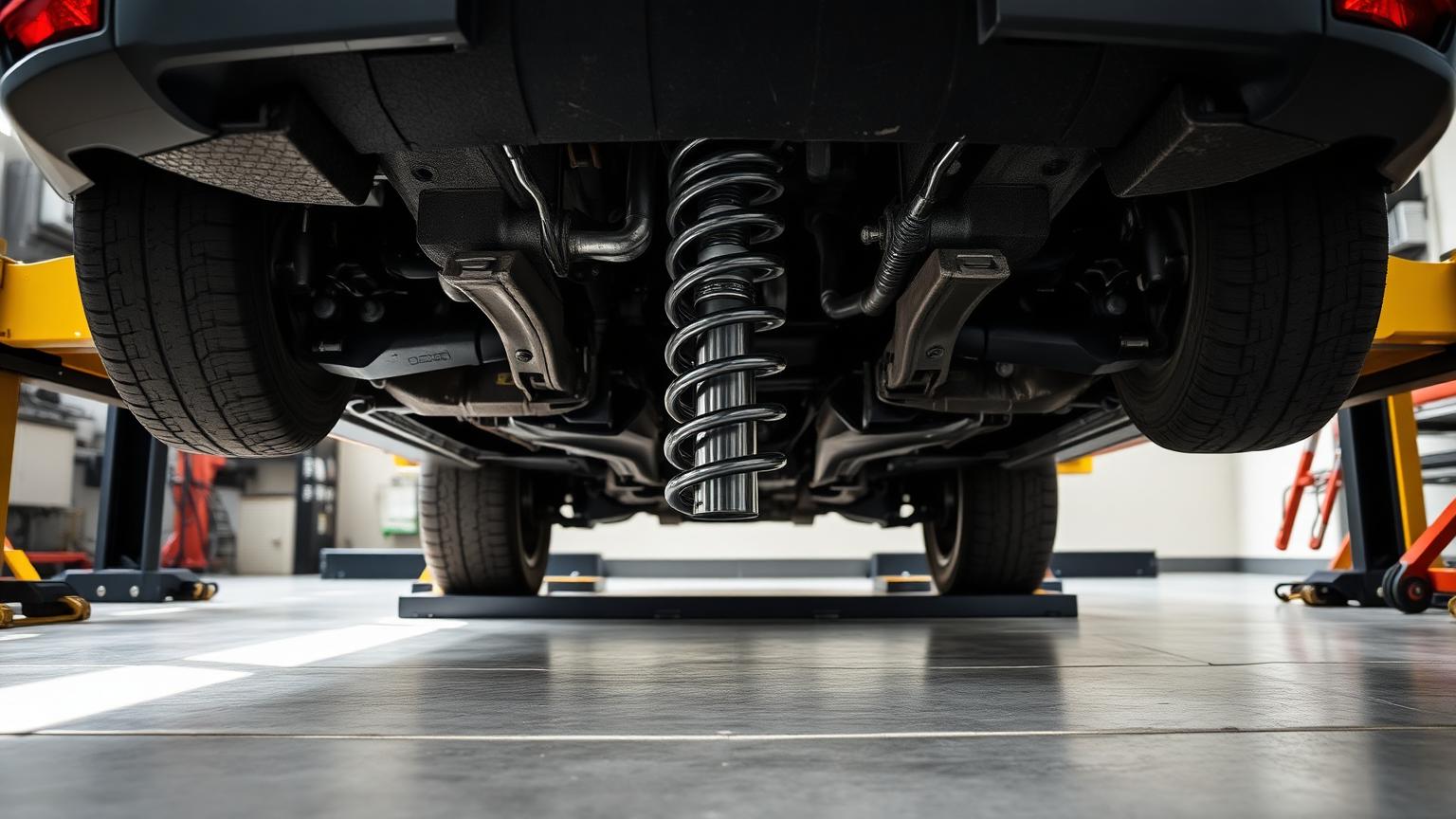
One: a squeal that stops when you brake — brake wear indicator. Two: grinding while braking — friction material gone, metal on rotor, stop driving. Three: a clunk over bumps — worn sway bar links, bushings or strut mounts, all of which are suspension play rather than danger, but all of which change how the car behaves in an emergency manoeuvre.
Four: a rhythmic hum that rises with road speed and changes when you sway the car side to side — a wheel bearing, and the side it quietens on is usually the side that is failing. Five: a click while turning at low speed, classically a worn constant-velocity joint. Six: a whine that follows engine speed rather than road speed, pointing at a belt-driven accessory, a pump or a turbocharger.
Seven: a tick at idle that speeds up with revs — valvetrain or injector noise, worth investigating on modern engines because it can also be a timing chain warning. Eight: a hiss after shutdown, usually vacuum or coolant. Nine: a rattle only on cold start for a second or two, which on chain-driven engines is the specific symptom you should never postpone.
The description that helps a technician most has four parts: when it happens, what changes it, where it seems to come from, and whether it depends on road speed or engine speed. That last distinction alone eliminates half the possible causes before the car is even lifted.
Where this is handled
GROZAH MOTOR WORKS
Diagnostics, mechanical repair and scheduled maintenance for modern vehicles in Los Angeles.
Visit MOTOR WORKS →