ADAS calibration: the invisible line item that keeps you safe
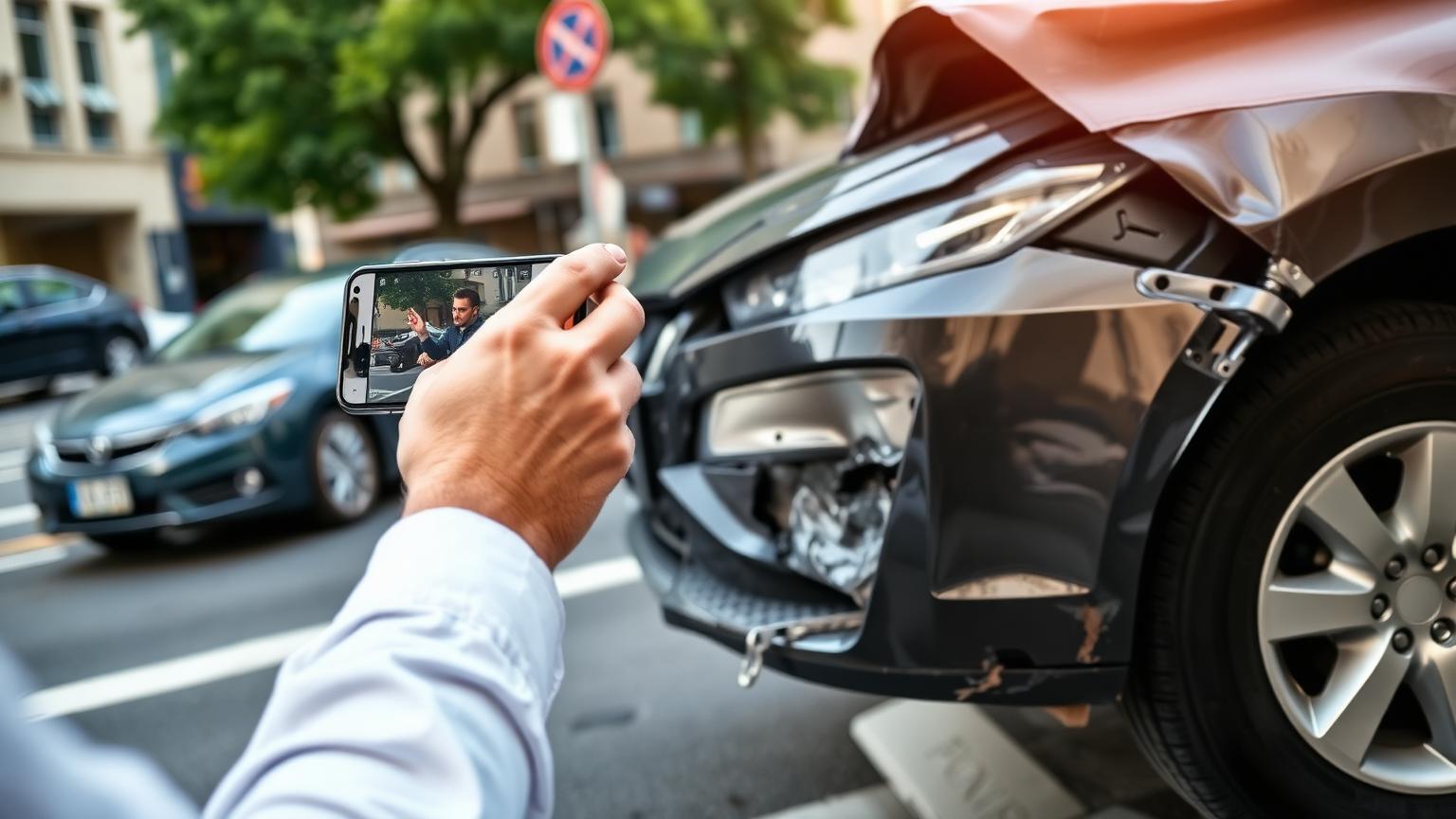
Replacing a windshield or a bumper moves the eyes of the car. Until they are aligned again, every safety system is guessing.
By GROZAH AUTO LAB
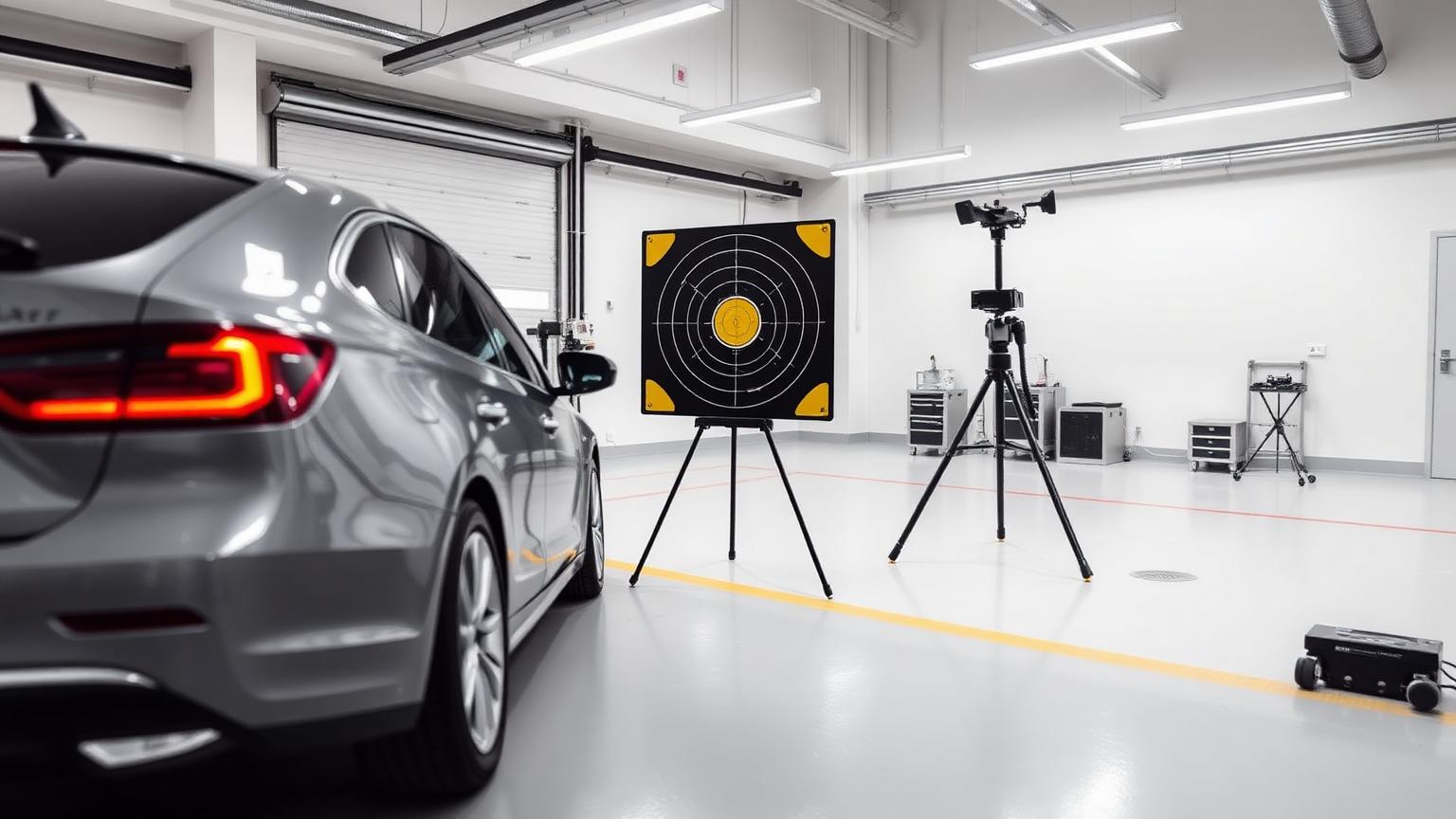
Advanced driver-assistance systems — automatic emergency braking, lane keeping, adaptive cruise, blind-spot monitoring — depend on sensors whose aim is measured in fractions of a degree. A forward camera lives behind the windshield. Radar sits behind the grille or in the bumper. Ultrasonic sensors pierce the bumper cover. Any repair that disturbs those surfaces disturbs the aim.
Calibration comes in two forms. Static calibration is performed indoors, with the vehicle on a level measured floor and manufacturer targets positioned at specified distances. Dynamic calibration is performed on the road at a specified speed on well-marked lanes. Many vehicles require both, in a defined order, and most require a stable battery voltage throughout.
The reason this matters to an owner is that miscalibration is silent. A radar aimed two degrees low does not warn you; it simply reacts later than it should, or brakes for an overpass that is not in your path. There is no dashboard light for a system that is confidently wrong, which is precisely why the calibration report matters as documentation.
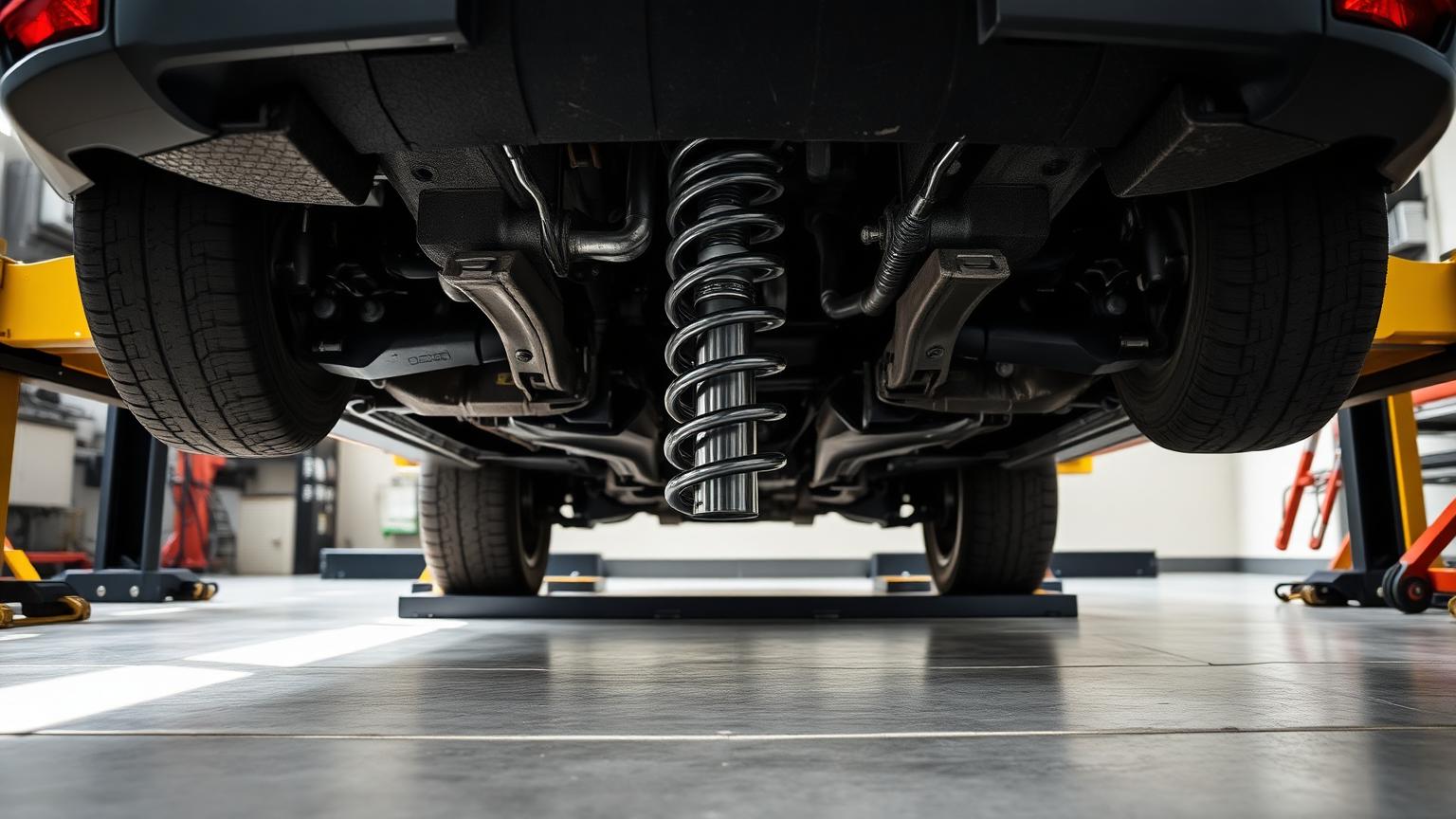
Ask three things before approving any repair that touches glass, bumpers, suspension geometry or ride height: which systems require calibration, whether it will be static, dynamic or both, and whether you will receive the printed pre- and post-scan reports. A shop that answers instantly is a shop that does this daily.
Where this is handled
GROZAH AUTO LAB
Collision, structural and paint work in Los Angeles — including ADAS recalibration and insurance claims.
Visit AUTO LAB →