Why aluminium body repair costs more — and why the shop matters
Aluminium panels changed collision repair permanently. Cross-contamination with steel is not a technicality; it is corrosion.
By GROZAH AUTO LAB
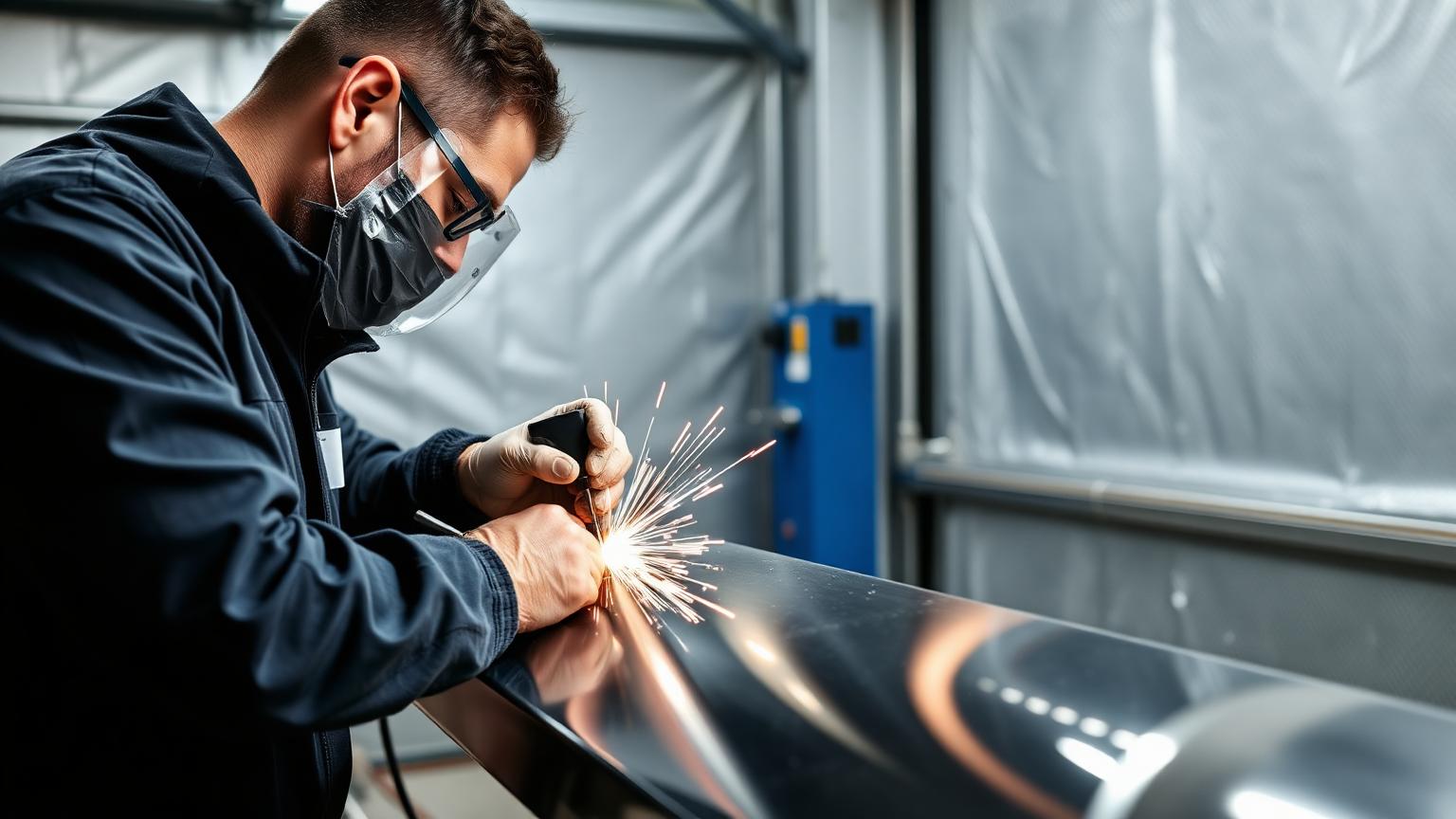
Aluminium-intensive bodies — pickup beds and cabs, many luxury sedans and SUVs, a growing share of EV structures — save weight but behave differently under repair. Aluminium work-hardens as it is shaped, has far less memory than steel, and cannot simply be heated and pulled the same way. Some panels can be reshaped; others are engineered to be replaced.
The requirement that surprises owners is physical separation. Steel dust embedded in aluminium causes galvanic corrosion, which is why certified aluminium repair takes place in a dedicated clean area with separate tools, separate dust extraction and separate storage. A shop that grinds steel and aluminium in the same bay with the same tooling is building corrosion into the repair.
Joining methods differ too. Where steel is welded, aluminium structures often rely on self-piercing rivets and structural adhesive to defined manufacturer specifications, applied with the correct rivet, the correct die and the correct cure conditions. Substituting a generic fastener changes how the structure absorbs a future impact.
For an owner the question set is short: is the facility equipped and trained for aluminium on this specific platform, will the repair follow the manufacturer's published procedures, and will you receive documentation of the joining methods used? Those three answers separate a repair that restores the car from one that merely closes the gaps.
Where this is handled
GROZAH AUTO LAB
Collision, structural and paint work in Los Angeles — including ADAS recalibration and insurance claims.
Visit AUTO LAB →