Carbon buildup on direct-injection engines: the 60,000-mile tax
Rough cold idle, a stumble under load, misfire codes on a well-maintained car. On many direct-injection engines the fuel never touches the valves that need cleaning.
By GROZAH MOTOR WORKS
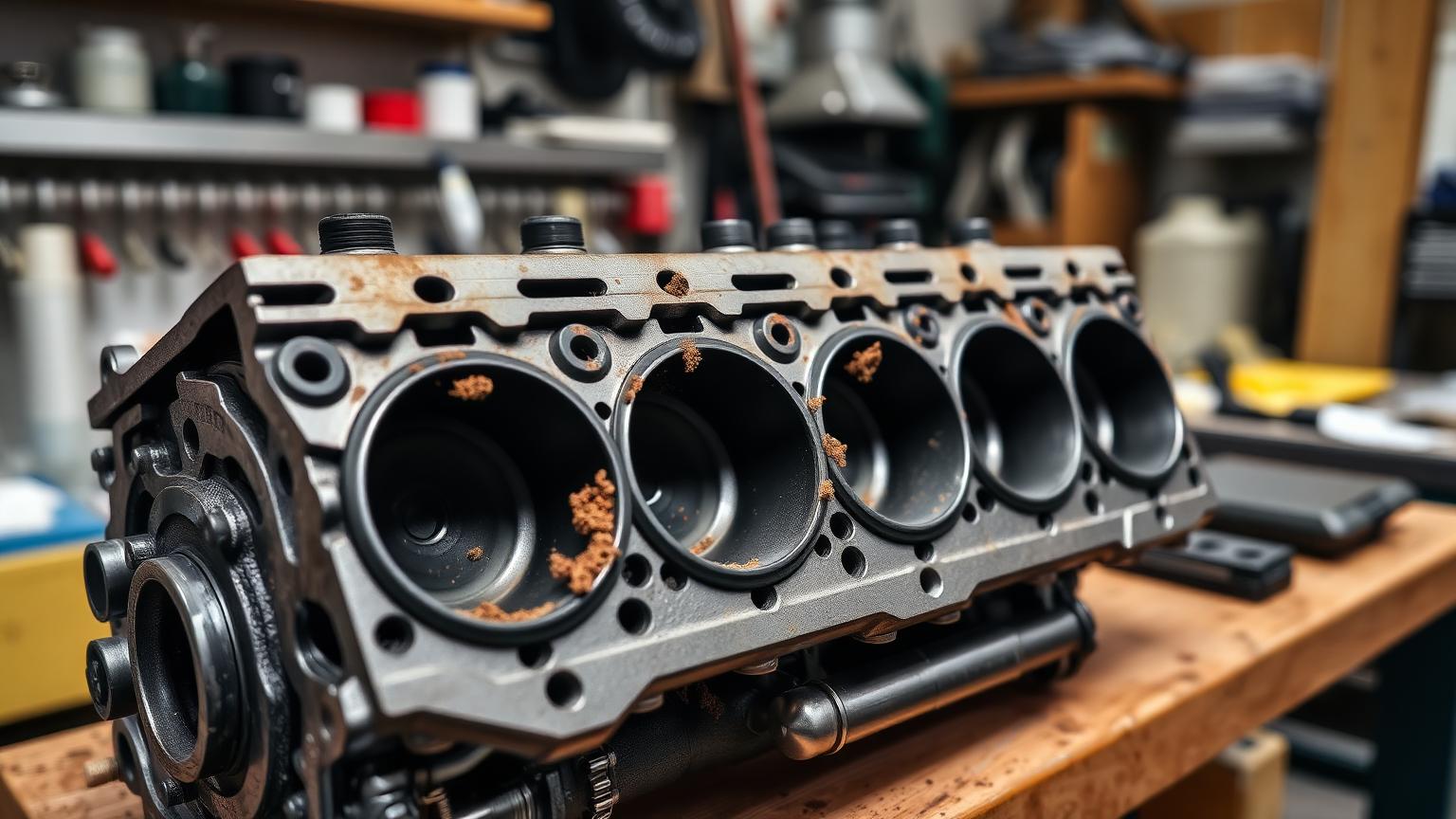
Port fuel injection sprayed gasoline across the back of the intake valves on every cycle, which kept them washed clean. Direct injection sprays straight into the cylinder — better efficiency, better power, and no detergent ever reaching the valve. Oil vapour from the crankcase ventilation system bakes onto the hot valve instead, and over tens of thousands of miles it builds into hard carbon.
Symptoms arrive gradually: a lumpy cold idle, hesitation under load, reduced fuel economy, and eventually random misfire codes that no ignition part fixes. Volkswagen and Audi's early direct-injection fours, several BMW inline sixes, and a range of other early direct-injection designs are the ones most owners hear about, though the physics apply broadly.
The reliable fix is mechanical: remove the intake manifold and clean the valves by walnut-shell blasting, media that abrades carbon without harming valve metal. Chemical intake sprays help mild deposits and slow accumulation, but they do not remove a hardened layer. Any shop that promises to fix heavy buildup from a can is selling optimism.
You can slow it. Keep the crankcase ventilation system healthy — a failed PCV valve accelerates oil vapour dramatically. Use quality oil and shorter intervals, since more of the deposit comes from oil than from fuel. And plan the cleaning as scheduled maintenance somewhere in the 60,000 to 80,000 mile range rather than waiting for a check-engine light to schedule it for you.
Where this is handled
GROZAH MOTOR WORKS
Diagnostics, mechanical repair and scheduled maintenance for modern vehicles in Los Angeles.
Visit MOTOR WORKS →