Your car as an asset: what LA rental management really returns
Utilisation, class and downtime decide whether a managed vehicle pays for itself. Here is how the math looks when nobody is selling you a dream.
By GROZAH RENTALS
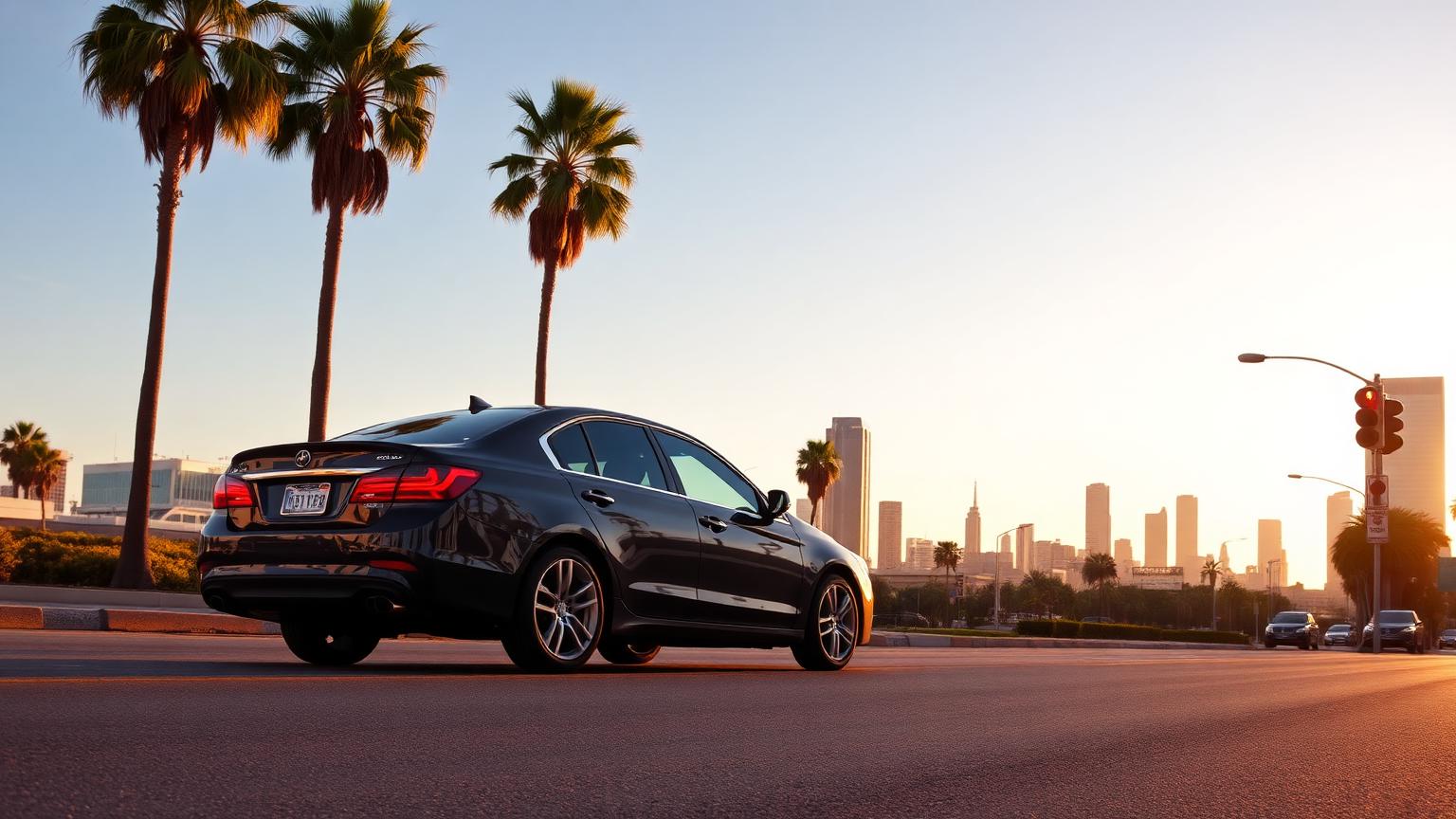
A car sitting in a driveway depreciates on a schedule and returns nothing. Put it into managed rental and it depreciates faster — but it also generates revenue. Whether that trade is good depends almost entirely on three variables, and none of them is the daily rate you see advertised.
The first is utilisation. Revenue is rate multiplied by days booked, and days booked is where optimism dies. A well-positioned vehicle in Los Angeles realistically runs somewhere in the middle of the calendar, not at the top of it. Modelling at full occupancy is how owners end up disappointed.
The second is class fit. The market is deep for reliable mid-tier vehicles and thin, spiky and seasonal for exotics. Exotics post spectacular daily rates and terrible utilisation, and they punish you on tyres, brakes and insurance. Boring cars, unglamorously, tend to produce the steadier net.
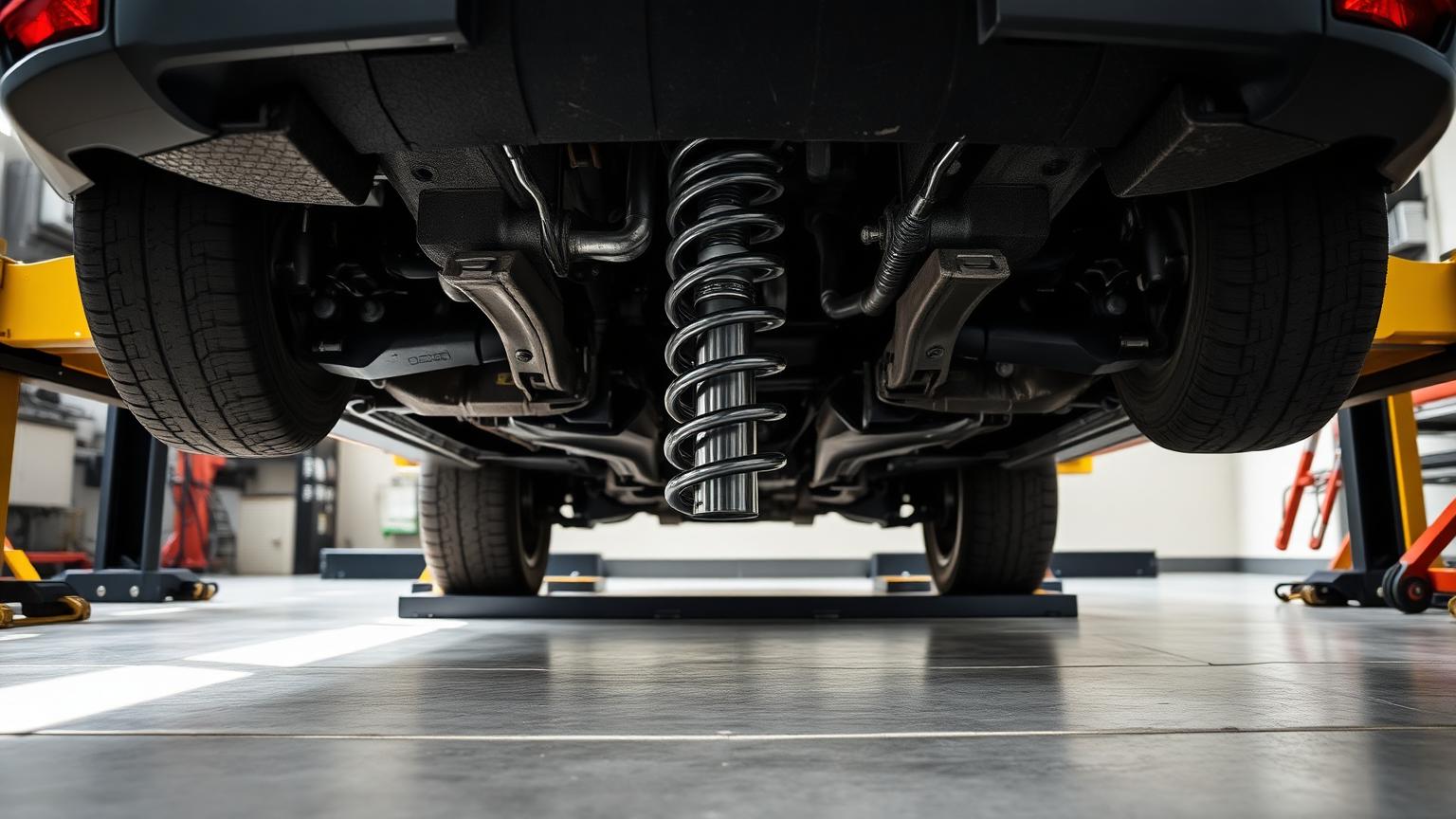
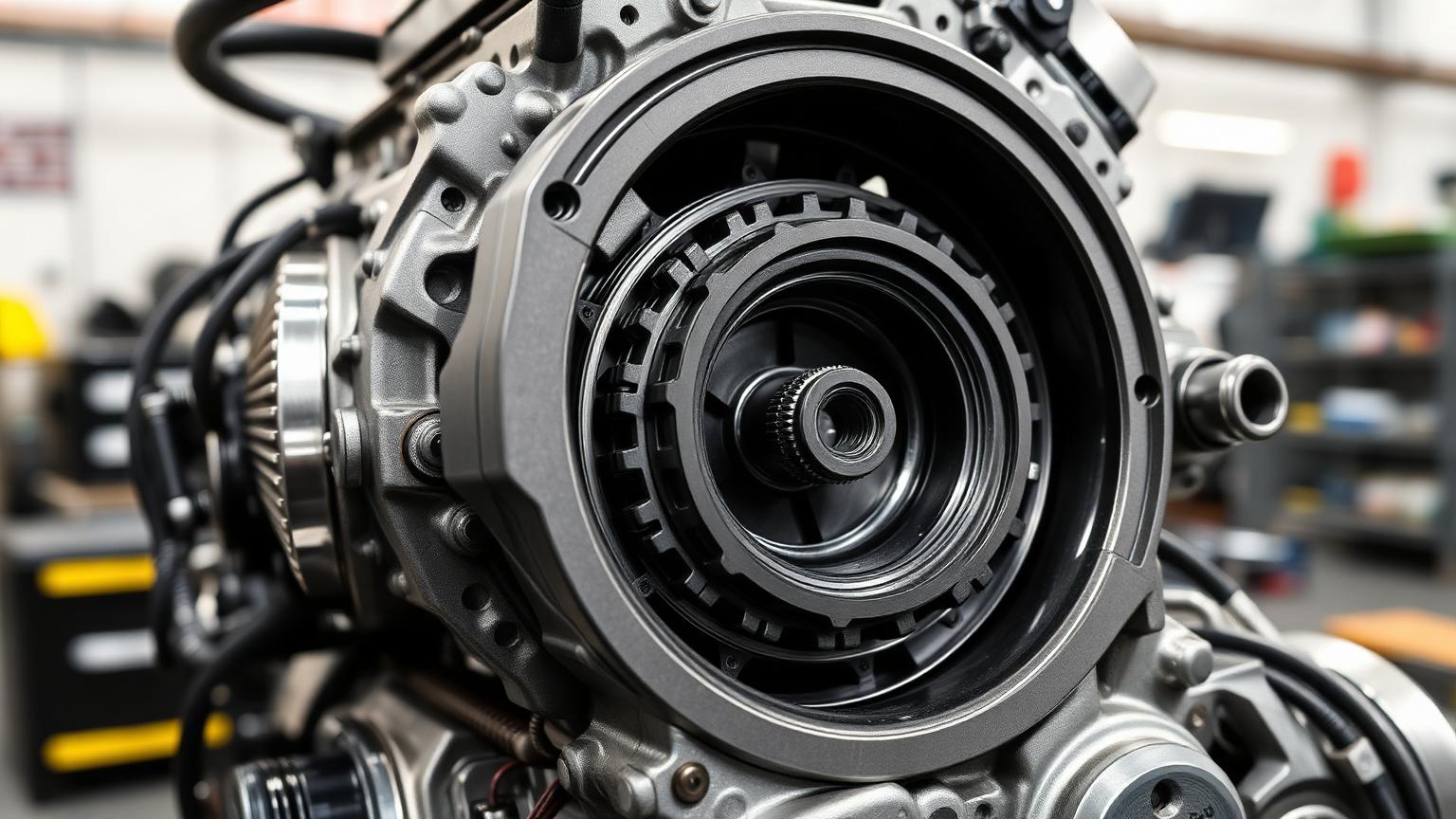
The third is downtime. Every day the car is in a body shop is a day of zero revenue plus repair cost. This is the single strongest argument for keeping rental and repair inside one ecosystem: when the shop that fixes the car and the desk that books it are the same organisation, turnaround shrinks from weeks to days.
Net it out honestly — revenue, minus cleaning and turnover, minus maintenance and tyres, minus insurance delta, minus accelerated depreciation, minus management fee. If the number is still positive, you own an asset. If it is not, you own a car, and that is a perfectly good thing to own.
Have a question about your car?
Body work, mechanical service, insurance claims, rental or buying — one ecosystem in Los Angeles handles all of it.
Get in touch