Ceramic coating: what it does, what it does not, and how to judge a quote
It is not a force field and it is not a scam. It is a hard sacrificial layer whose value depends almost entirely on preparation.
By GROZAH AUTO LAB
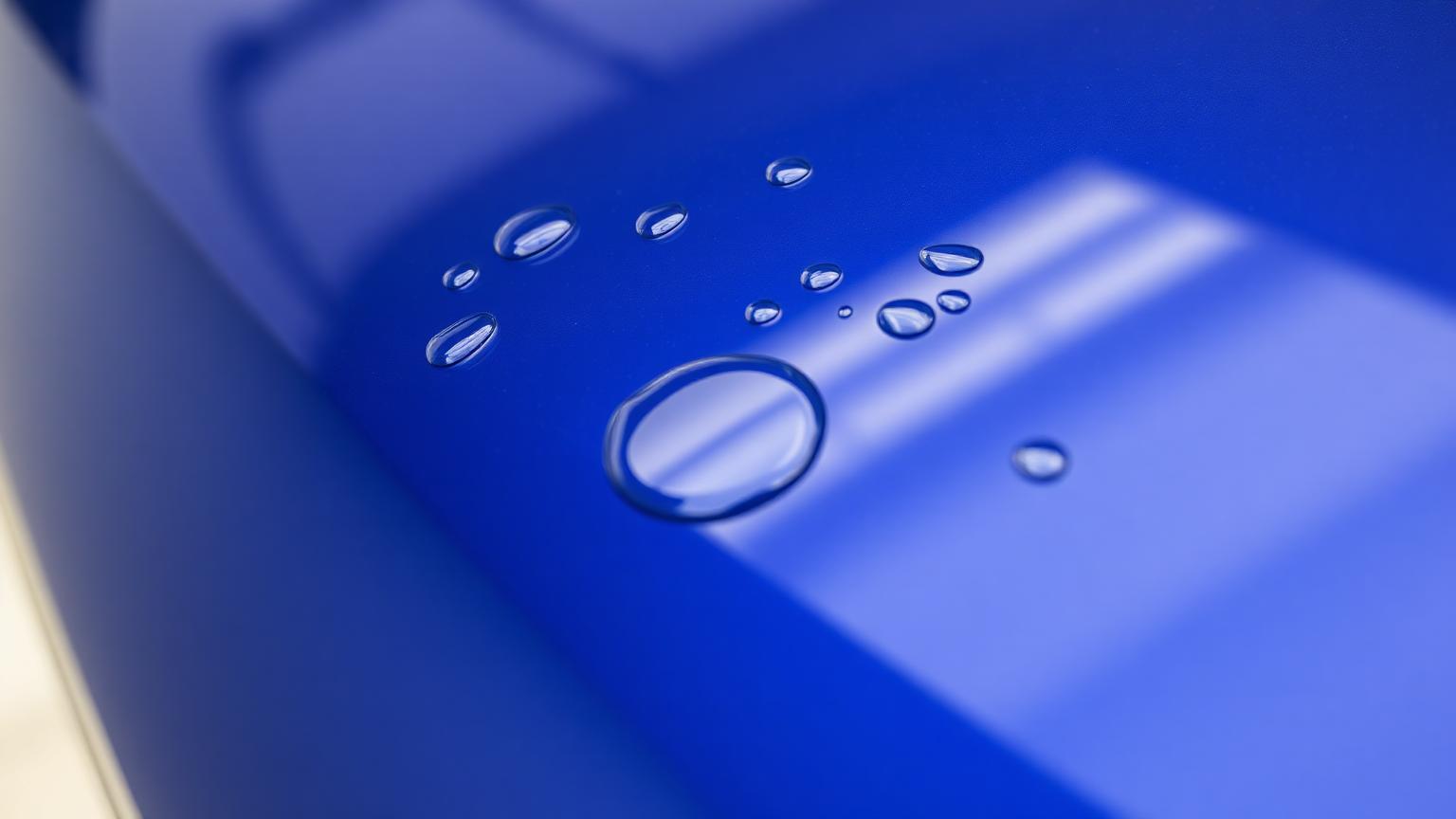
A ceramic coating is a thin cured layer, typically silica-based, that bonds to the clear coat. What it genuinely delivers is chemical resistance, easier cleaning, strong water behaviour and better resistance to staining from bird droppings, tree sap and industrial fallout — all real advantages in Los Angeles sun and dust.
What it does not do is stop rock chips or deep scratches; that is film's job. It does not eliminate washing, and it does not prevent swirl marks if the car is washed with a dirty sponge. Marketing that implies scratch-proofing is selling a physical impossibility on a layer measured in single-digit microns.
The value is set almost entirely by preparation. Decontamination, careful paint correction to remove existing defects, panel wipe to strip polishing oils, then application in controlled conditions and a proper cure. A coating applied over swirls locks those swirls in for years. That is why two quotes at very different prices are usually buying different amounts of labour, not different chemistry.
Judge a quote by hours and process, not by the bottle's name: ask how many stages of correction are included, whether paint depth is measured before polishing, and what the aftercare instructions and maintenance interval are. A coating with an honest maintenance plan outlasts a more expensive one applied in a hurry.
Where this is handled
GROZAH AUTO LAB
Collision, structural and paint work in Los Angeles — including ADAS recalibration and insurance claims.
Visit AUTO LAB →