Check engine light: solid, flashing, and what each demands of you
One of these is an appointment. The other is a reason to stop driving. Most owners cannot tell you which is which.
By GROZAH MOTOR WORKS
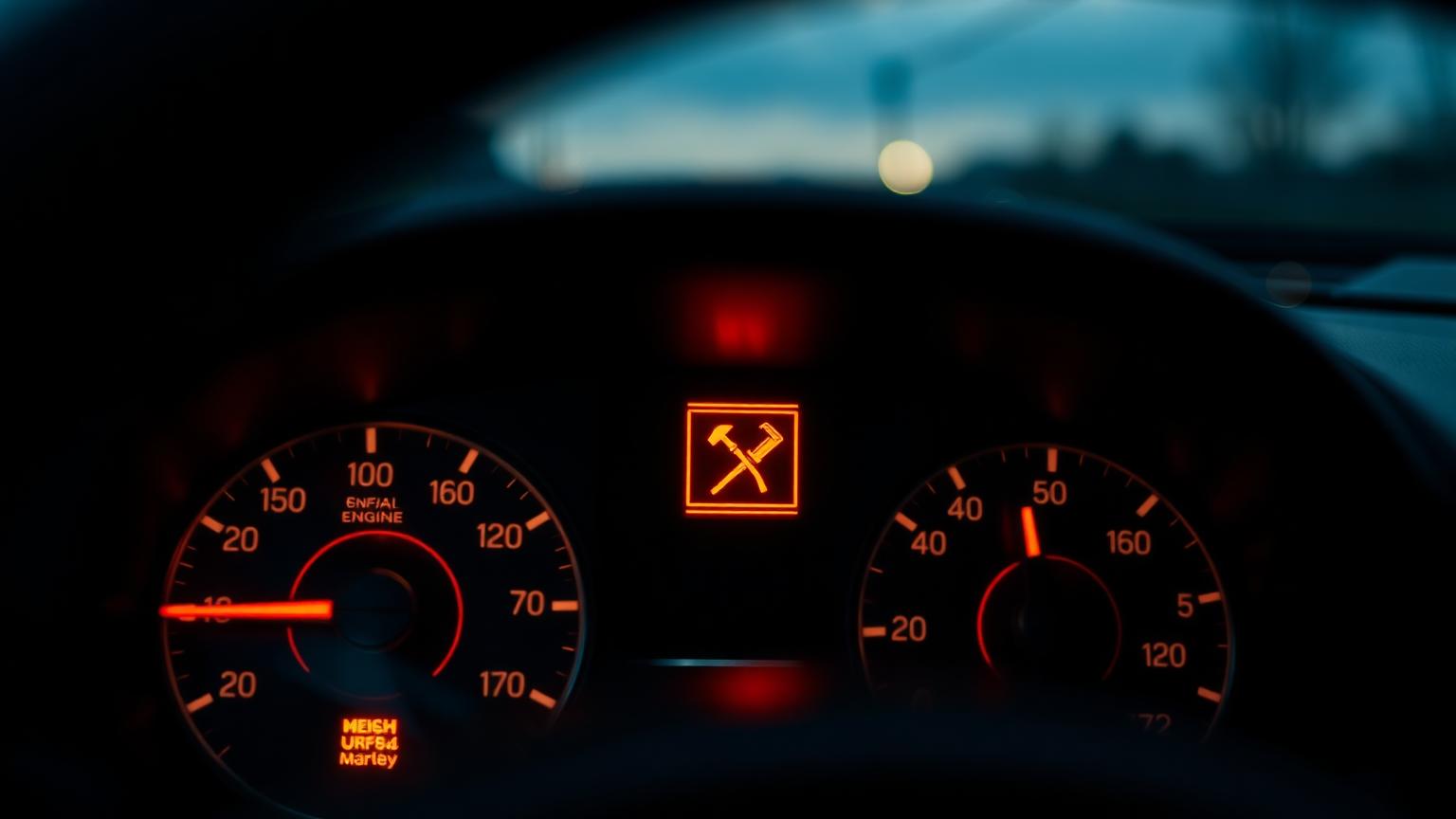
A steady check engine light means the engine control module has recorded a fault that exceeded its threshold. It can be as trivial as an evaporative-emissions leak from a loose fuel cap or as serious as a failing fuel pressure regulator. It is a reason to get the codes read promptly — not a reason to panic, and not a reason to ignore for months.
A flashing check engine light is a different message: active misfire severe enough to dump unburned fuel into the exhaust, which can destroy a catalytic converter in minutes. That is a stop-driving-soon signal. Reduce load, avoid highway speeds, and get the car looked at rather than completing the errand.
The most misunderstood part is what a scan tool actually gives you. A code is a symptom description, not a diagnosis. P0420 does not mean "replace the catalytic converter"; it means the downstream oxygen sensor readings do not match what the module expects, which can be caused by an exhaust leak, a lazy sensor, or an engine running rich for an unrelated reason.
Two practical rules. Do not clear codes before diagnosis, because freeze-frame data captured at the moment of the fault is often the most useful evidence available. And ask for the shop's live-data findings rather than only a parts list — a diagnosis you can follow in plain language is the sign that someone actually found the fault.
Where this is handled
GROZAH MOTOR WORKS
Diagnostics, mechanical repair and scheduled maintenance for modern vehicles in Los Angeles.
Visit MOTOR WORKS →