Diminished value: the money most owners never claim after a repair
A perfectly repaired car is worth less than one that was never hit. In some circumstances that gap is recoverable.
By GROZAH AUTO LAB
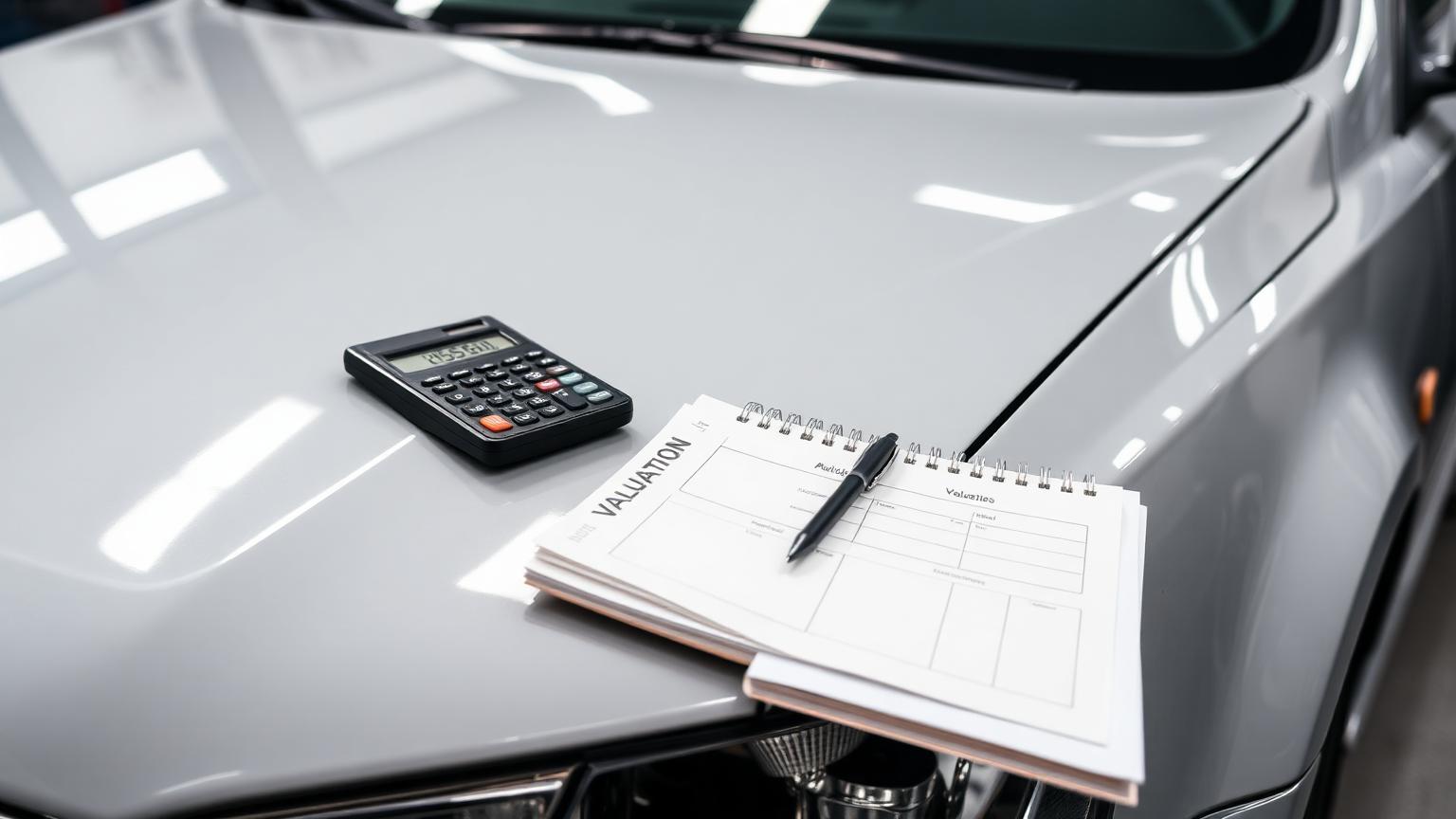
Diminished value is the difference between what a vehicle was worth before an accident and what it is worth after a proper repair. The repair fixes the car; it does not erase the accident from the record, and buyers price that record. On newer and higher-value vehicles the gap can be substantial.
Whether you can recover it depends on who was at fault and on your jurisdiction's rules. Broadly, a claim against the at-fault party's insurer — a third-party claim — is the common route, while recovery under your own policy after your own at-fault loss is usually excluded. Rules vary by state and by policy language, so read the specific wording before assuming either way.
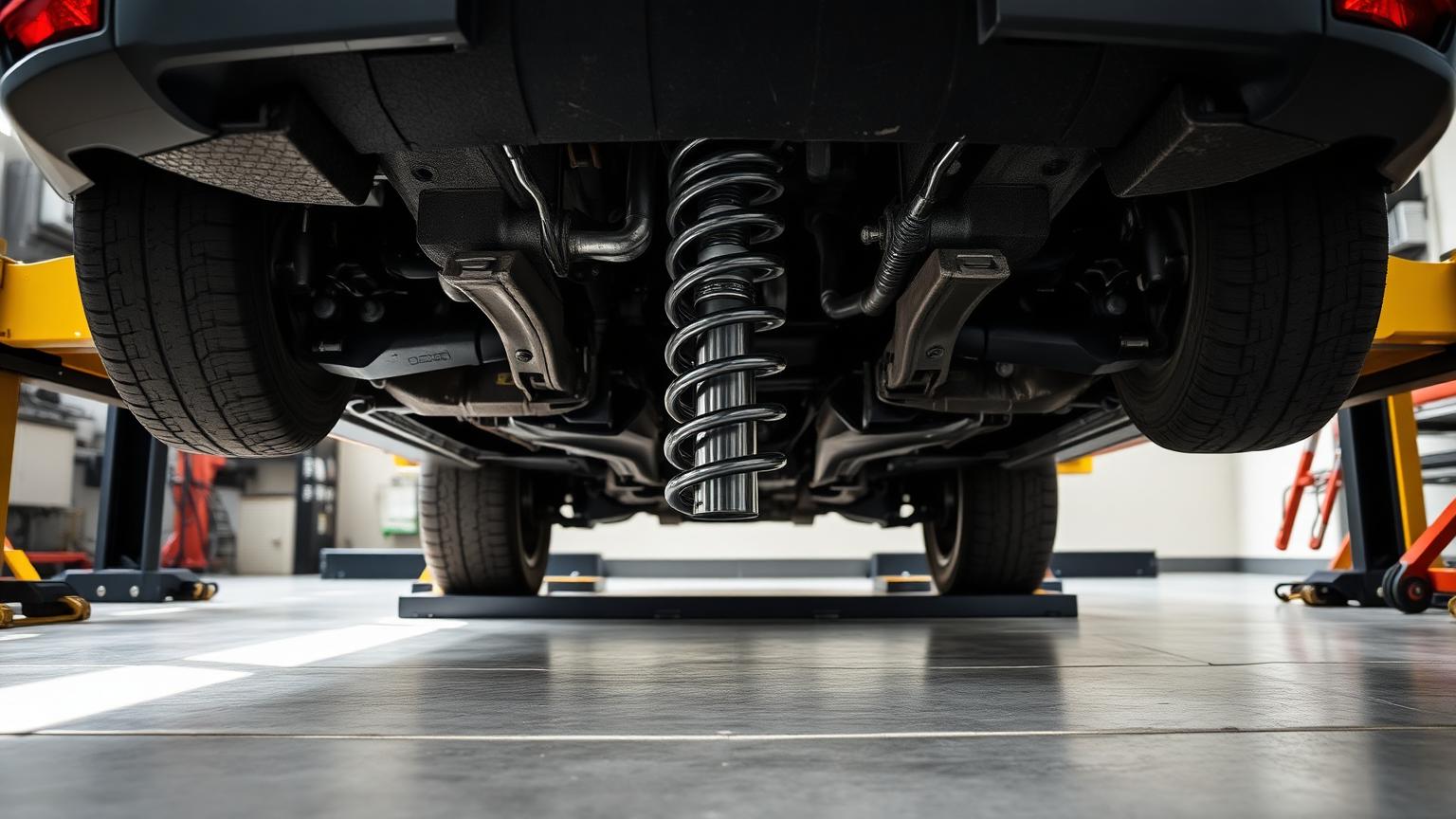
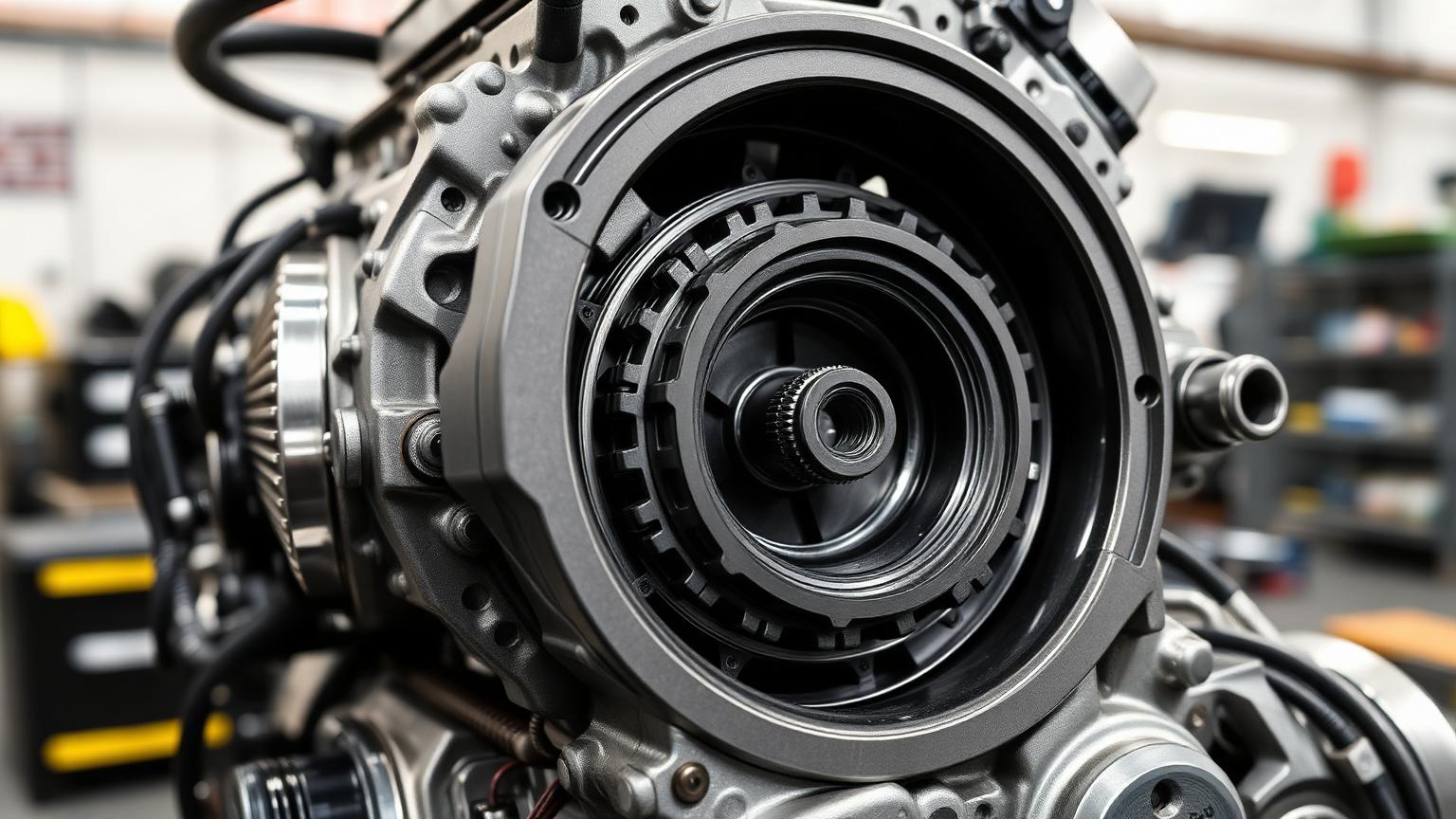
Substantiating a claim requires evidence rather than an assertion. That means a professional appraisal comparing the vehicle against genuinely comparable examples, the complete repair file, and documentation of the severity and location of the damage. Structural repairs carry more market penalty than cosmetic panel work, and the file needs to show which one occurred.
This is one of the strongest practical arguments for insisting on documented, procedure-following repair from the start. Pre- and post-repair scans, structural measurements, calibration reports and photographs are not bureaucracy — they are the evidentiary basis both for a diminished value claim and for defending the car's value at resale years later.
Where this is handled
GROZAH AUTO LAB
Collision, structural and paint work in Los Angeles — including ADAS recalibration and insurance claims.
Visit AUTO LAB →