Diesel in city traffic: why the DPF light keeps coming back
The filter is not faulty. It is being asked to clean itself in conditions that never let it get hot enough.
By GROZAH MOTOR WORKS
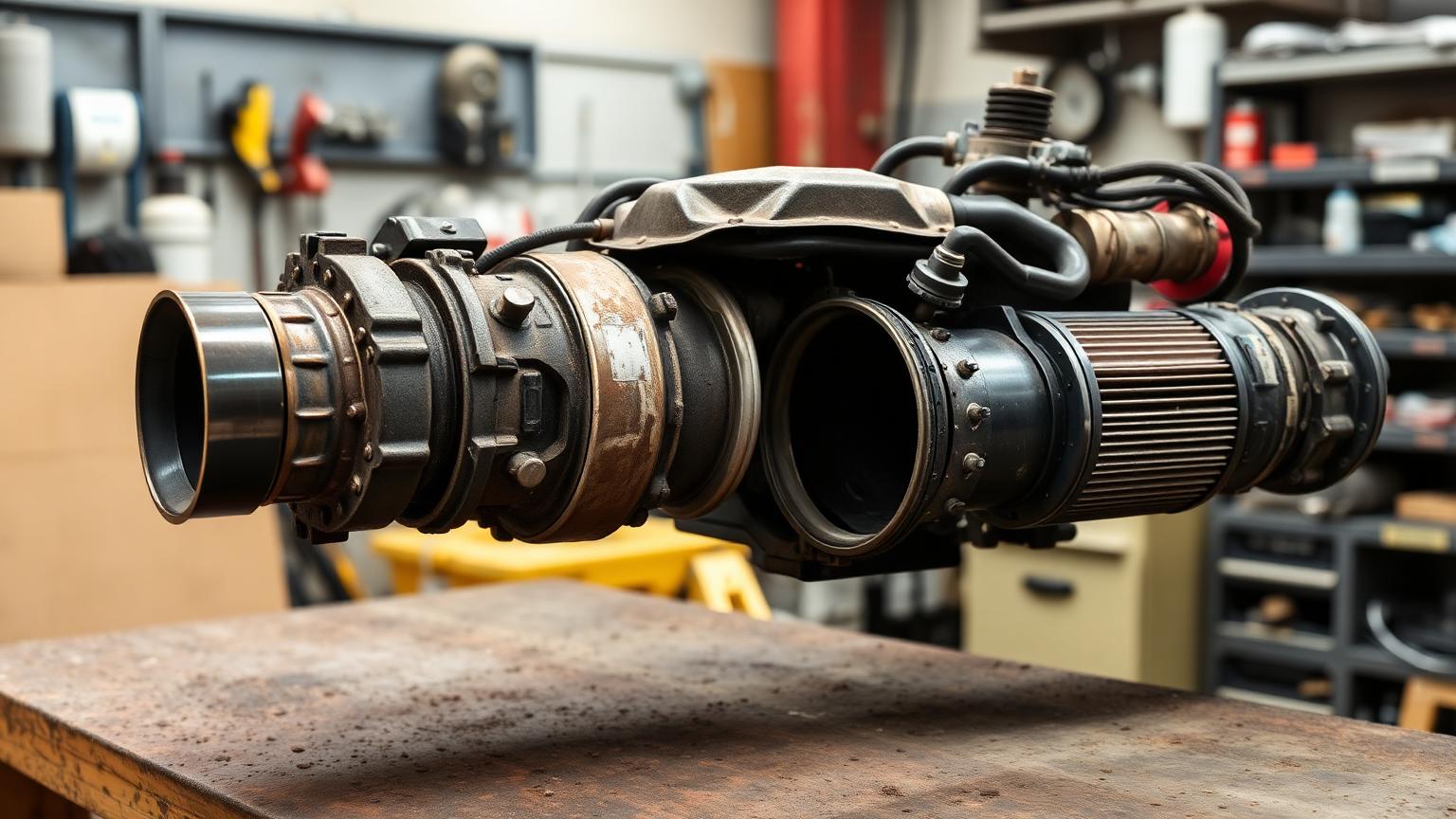
A diesel particulate filter traps soot and periodically burns it off in a process called regeneration, which requires sustained high exhaust temperature. On the highway that happens naturally. In stop-and-go traffic the engine never sustains the load, regeneration is repeatedly interrupted, and soot load climbs until the warning appears.
Interrupted regenerations do secondary damage. Fuel injected late in the cycle to raise exhaust temperature can wash past the rings and dilute the engine oil, which is why some diesels show a rising oil level. Diluted oil loses viscosity and protects bearings poorly — a slow failure that has nothing to do with the filter itself.
The correct response to an early warning is a proper drive cycle: sustained speed and load for long enough to complete regeneration, following the vehicle's specific guidance. If the light persists or escalates, a forced regeneration on a scan tool is the next step, and beyond a certain soot load a cleaning or replacement becomes necessary.
Removing the filter is not a repair. It is illegal for road vehicles, fails inspection, and destroys resale value. The real question is whether a diesel matches the driving pattern at all: for short urban trips, a petrol hybrid does the same job with none of this behaviour — a conversation worth having before the next purchase rather than after.
Where this is handled
GROZAH MOTOR WORKS
Diagnostics, mechanical repair and scheduled maintenance for modern vehicles in Los Angeles.
Visit MOTOR WORKS →