Running a small fleet in Los Angeles without losing the margin
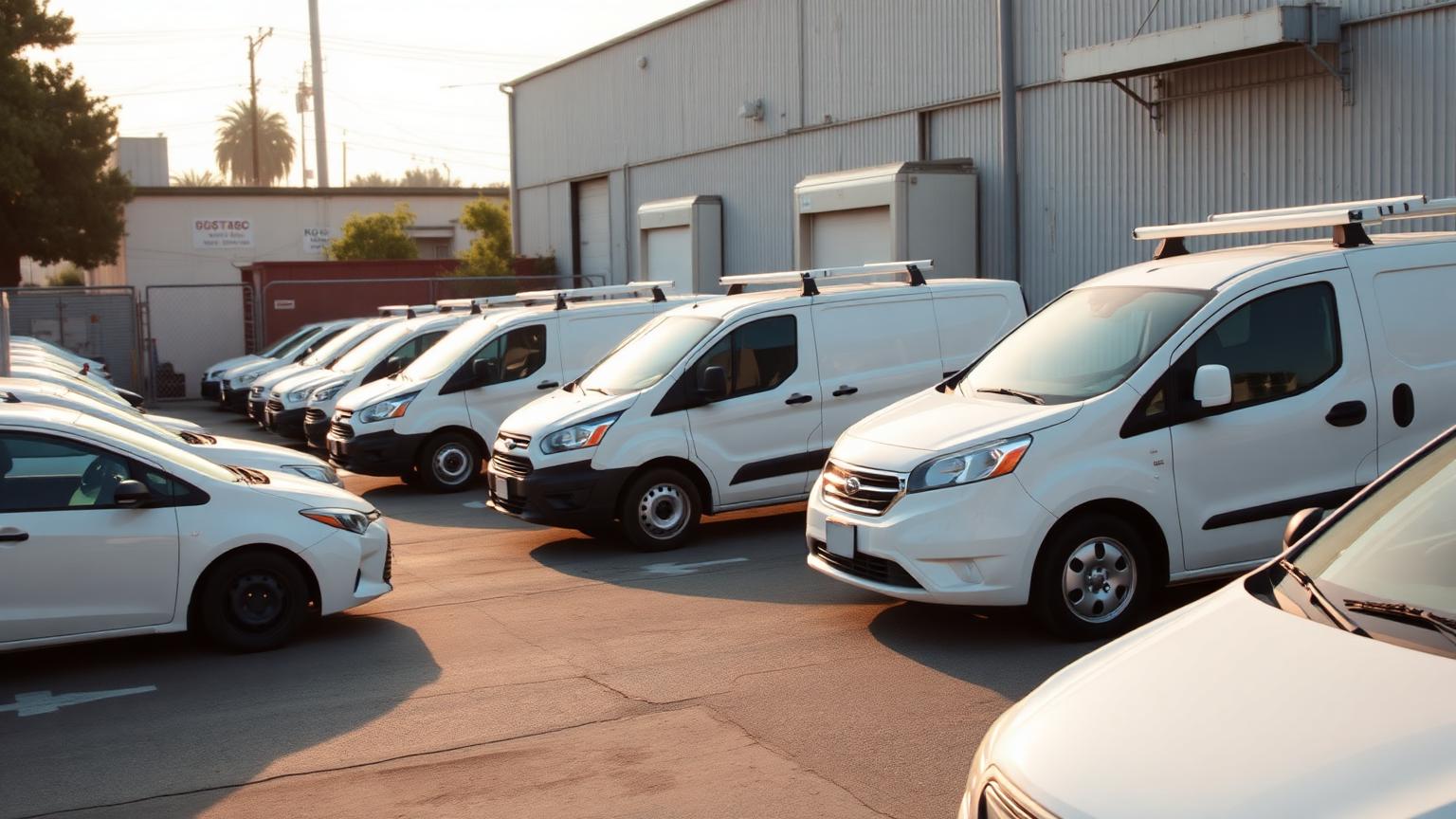
Three vans and a truck is a fleet. Managed like personal cars, it quietly eats a third of the profit it was bought to produce.
By GROZAH RENTALS
The defining cost in a small commercial fleet is not fuel and it is not repair — it is downtime. A vehicle off the road is a job not completed, a driver still being paid and a customer being rescheduled. That is why fleet economics reward preventive maintenance far more aggressively than personal-car economics do.
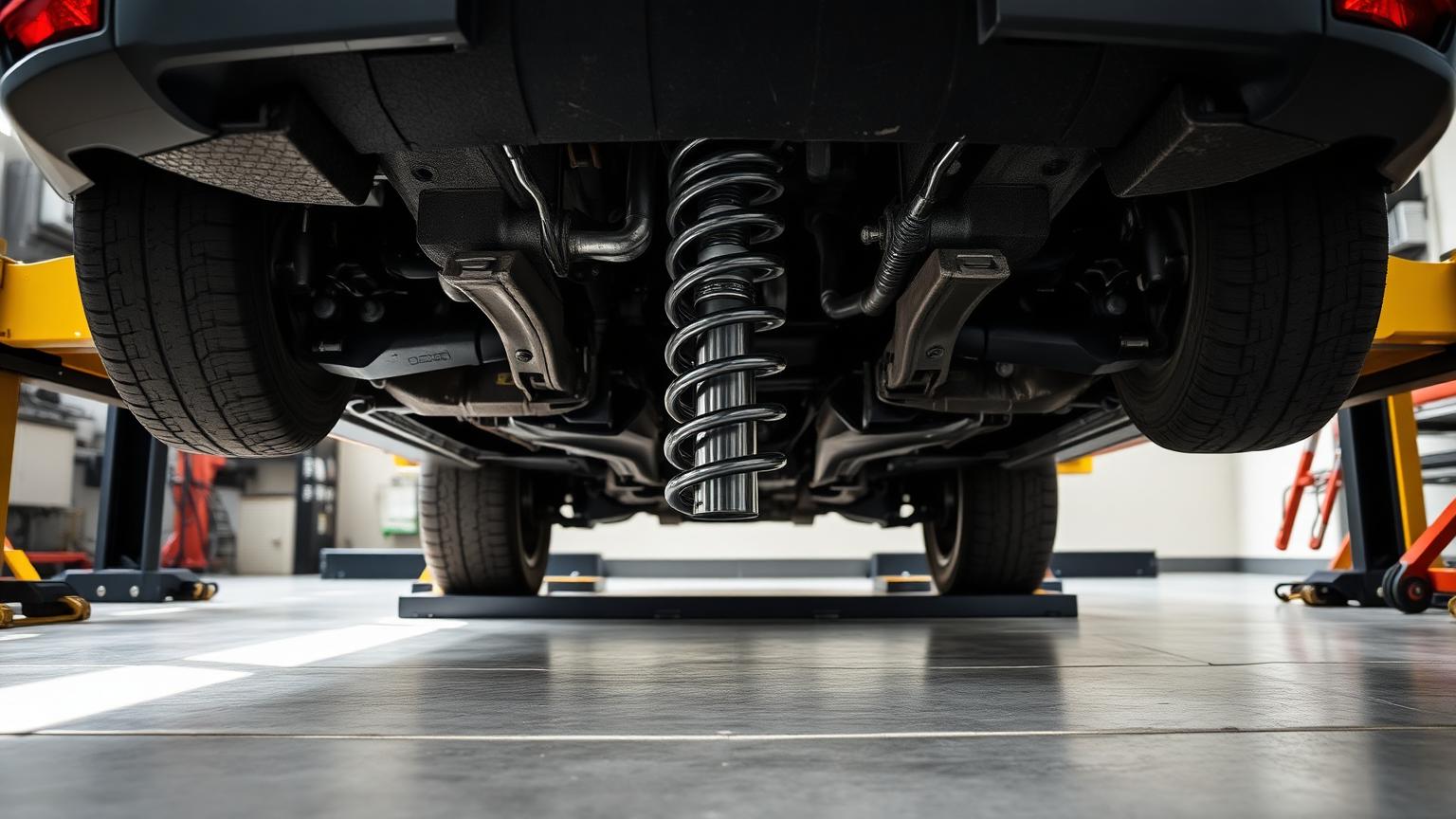
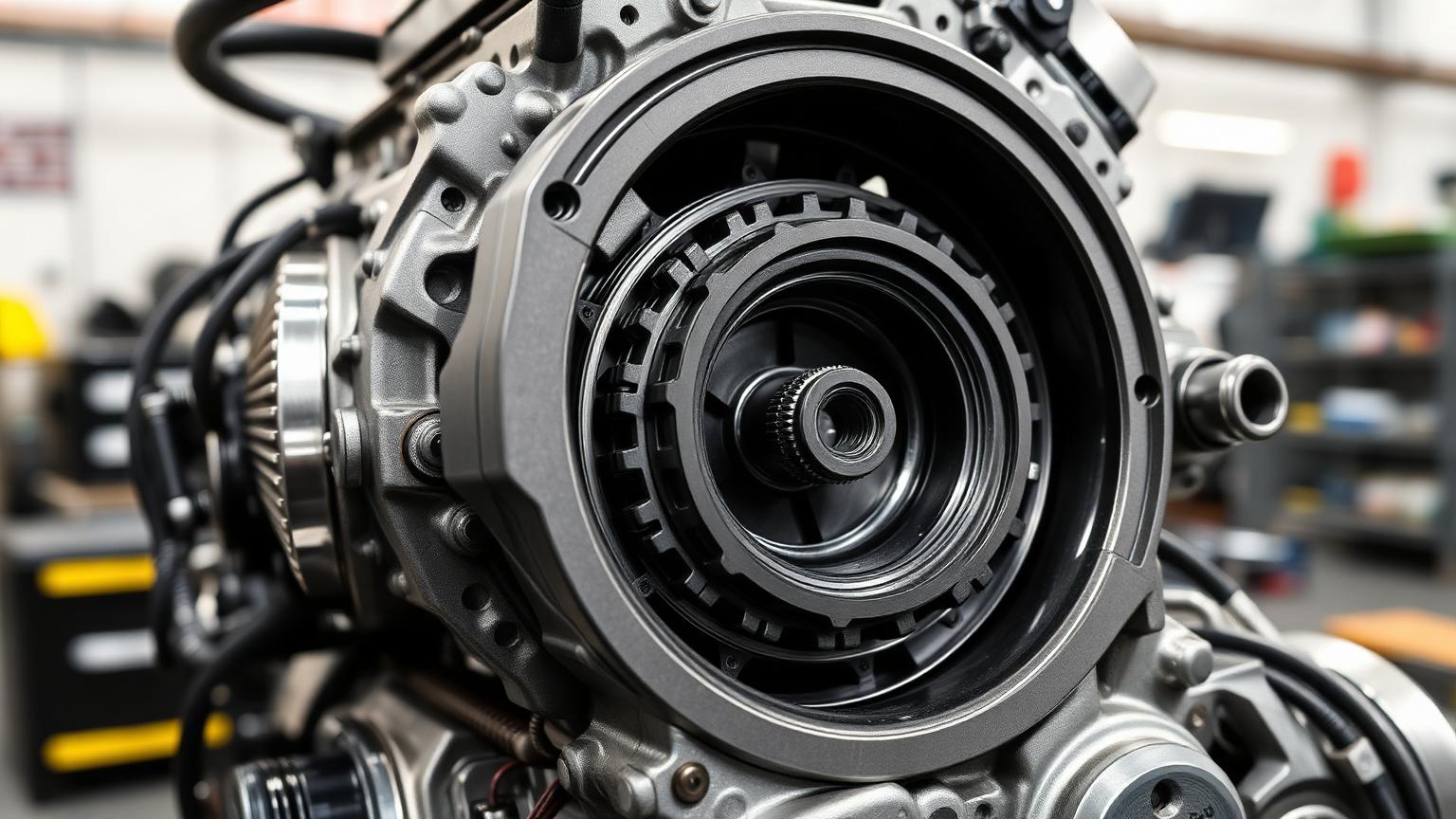
Start with a maintenance calendar built on hours and mileage rather than reminders on a dashboard. Oil, brakes, tyres, filters and fluids on fixed intervals per vehicle, tracked centrally with the invoice attached. The point is not tidiness; it is that scheduled downtime can be planned around jobs, while unscheduled downtime cannot.
Second, standardise where possible. A fleet of one model shares parts, shares technician familiarity and shares diagnostic patterns, which compresses repair times. Third, track cost per mile per vehicle. The number identifies the unit that should be replaced long before it strands a crew, and it turns the replacement decision into arithmetic instead of frustration.
Fourth, plan for coverage. Every fleet needs a defined answer to "what do we drive today," whether that is a spare unit or a standing rental relationship. Small operators who solve maintenance, standardisation, cost tracking and coverage together typically find the margin they were losing was never in the repair invoices at all.
Where this is handled
GROZAH RENTALS
Rental vehicles and full owner-side car management across Los Angeles.
Visit RENTALS →