Ford EcoBoost ownership: the four issues worth budgeting for
Small displacement, big torque, and a maintenance profile that rewards owners who understand what forced induction asks for.
By GROZAH MOTOR WORKS
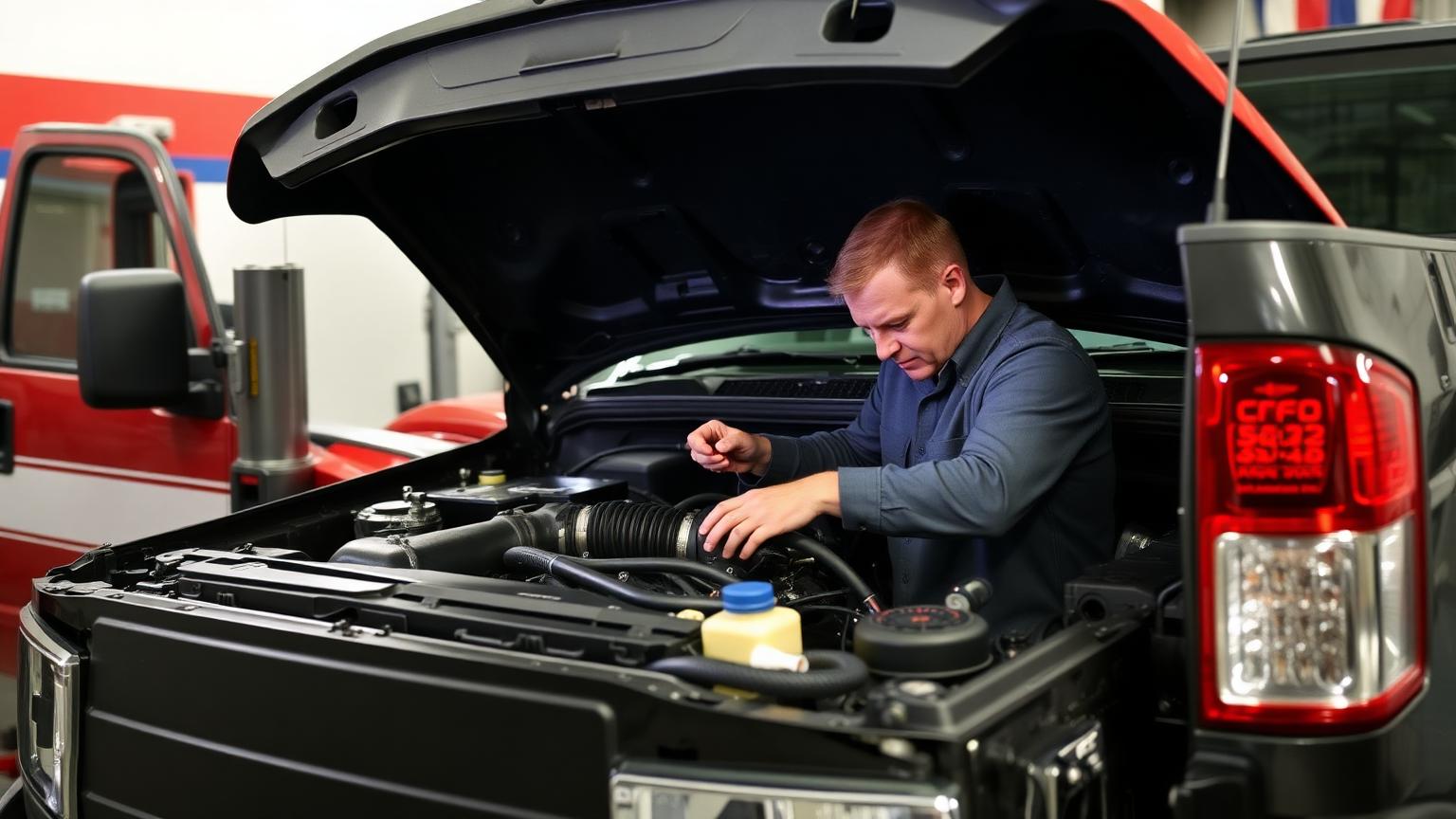
EcoBoost engines are turbocharged and, in most variants, direct injected — a combination that produces excellent output from small displacement and concentrates wear in predictable places. Knowing those places turns ownership from anxious to routine.
First: intake valve carbon on direct-injected variants, because no fuel washes the valve. Symptoms are rough cold idle, hesitation and eventual misfire codes, and the fix is mechanical cleaning rather than a chemical. Second: condensation in the charge air cooler under certain humidity and load patterns, which can cause a stumble on hard acceleration after cruising.
Third: coolant and thermal management. Turbocharged engines run hot, and cooling system components — hoses, thermostat housings, water pumps — live a harder life than they do on naturally aspirated designs. A small coolant loss is worth chasing immediately rather than topping up. Fourth: ignition components, since boosted cylinder pressure is unforgiving of worn plugs and tired coils; plugs typically need replacement earlier than a general schedule suggests.
None of this makes the engine fragile. It makes it specific. Shorter oil intervals with the correct grade, earlier spark plug replacement, attention to cooling, and scheduled intake cleaning cover essentially the whole risk list — and each of those is inexpensive compared with the consequences of skipping them.
Where this is handled
GROZAH MOTOR WORKS
Diagnostics, mechanical repair and scheduled maintenance for modern vehicles in Los Angeles.
Visit MOTOR WORKS →