What Los Angeles sun actually does to your paint — and the repair order
Clear coat failure is not a cosmetic opinion. It is UV degradation with a predictable sequence, and there is a point of no return.
By GROZAH AUTO LAB
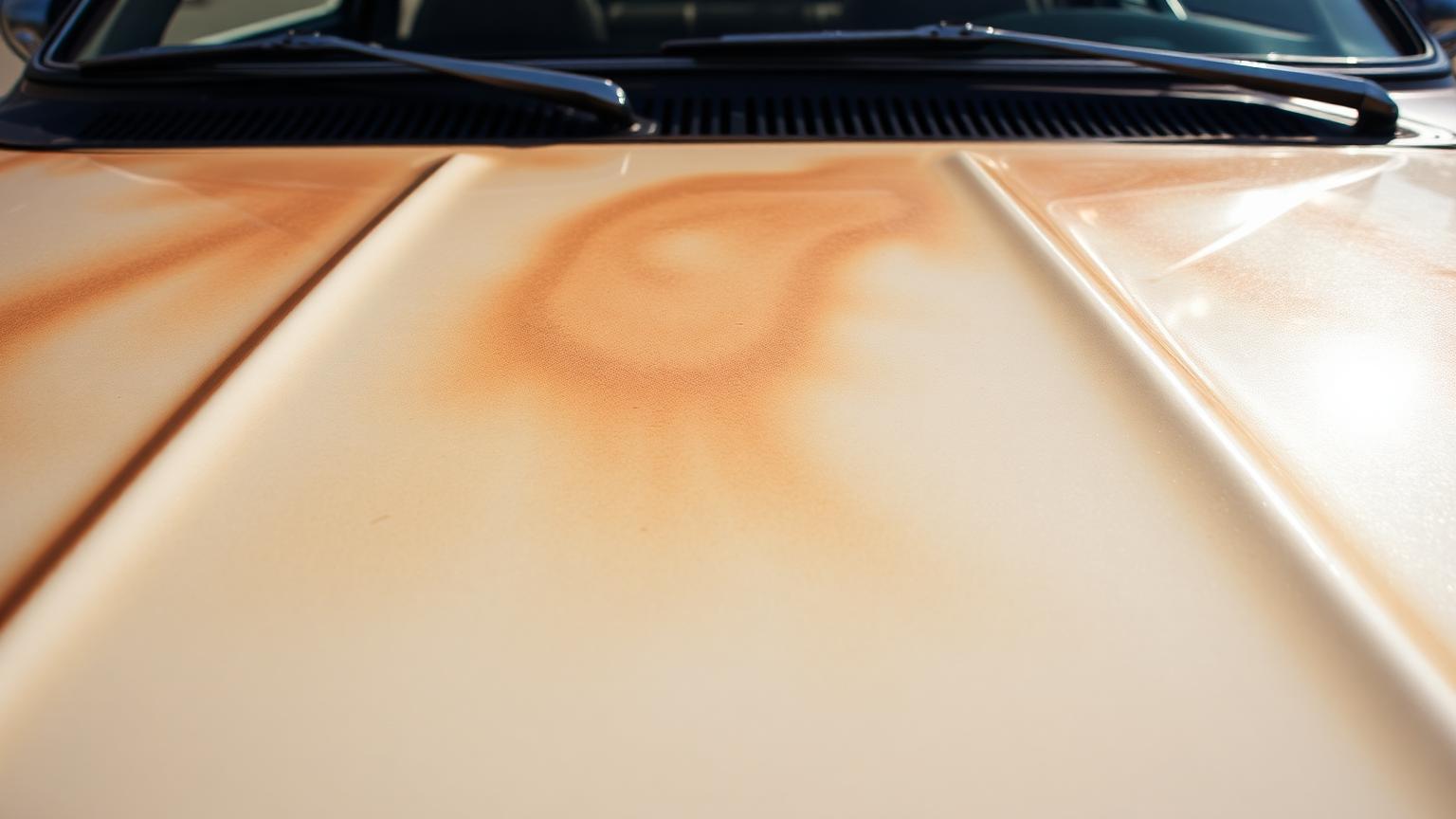
Clear coat contains UV inhibitors that are consumed over time. In a high-sun climate they deplete faster, and once depleted the layer oxidises: first a dull haze on horizontal surfaces, then a chalky texture, then visible peeling as the clear delaminates from the base coat. Roofs, hoods and trunk lids go first because they take the most direct exposure.
The critical distinction is haze versus delamination. Oxidised but intact clear can be polished — carefully, because polishing removes material from a layer that is already thin. Delaminated clear cannot be polished, filled or coated back into existence; that panel needs refinishing. Attempting to polish a peeling roof simply accelerates the peel.
The sequence that saves a finish is therefore: measure paint depth, correct while there is material to work with, then protect. Protection means a coating or film that takes the UV load instead of the clear coat, plus the unglamorous habit of parking in shade or under cover when the car sits for days.
Interiors follow the same physics. Dashboards crack, leather dries and rear parcel shelves fade because they sit under glass in direct sun. A windshield sunshade is the single highest-return maintenance item in this climate — and, unlike paint correction, it costs nothing to repeat every day.
Where this is handled
GROZAH AUTO LAB
Collision, structural and paint work in Los Angeles — including ADAS recalibration and insurance claims.
Visit AUTO LAB →