How a total loss is actually decided in California
It is not "the repair costs more than the car." It is a formula, and knowing it changes what you argue about.
By GROZAH AUTO LAB
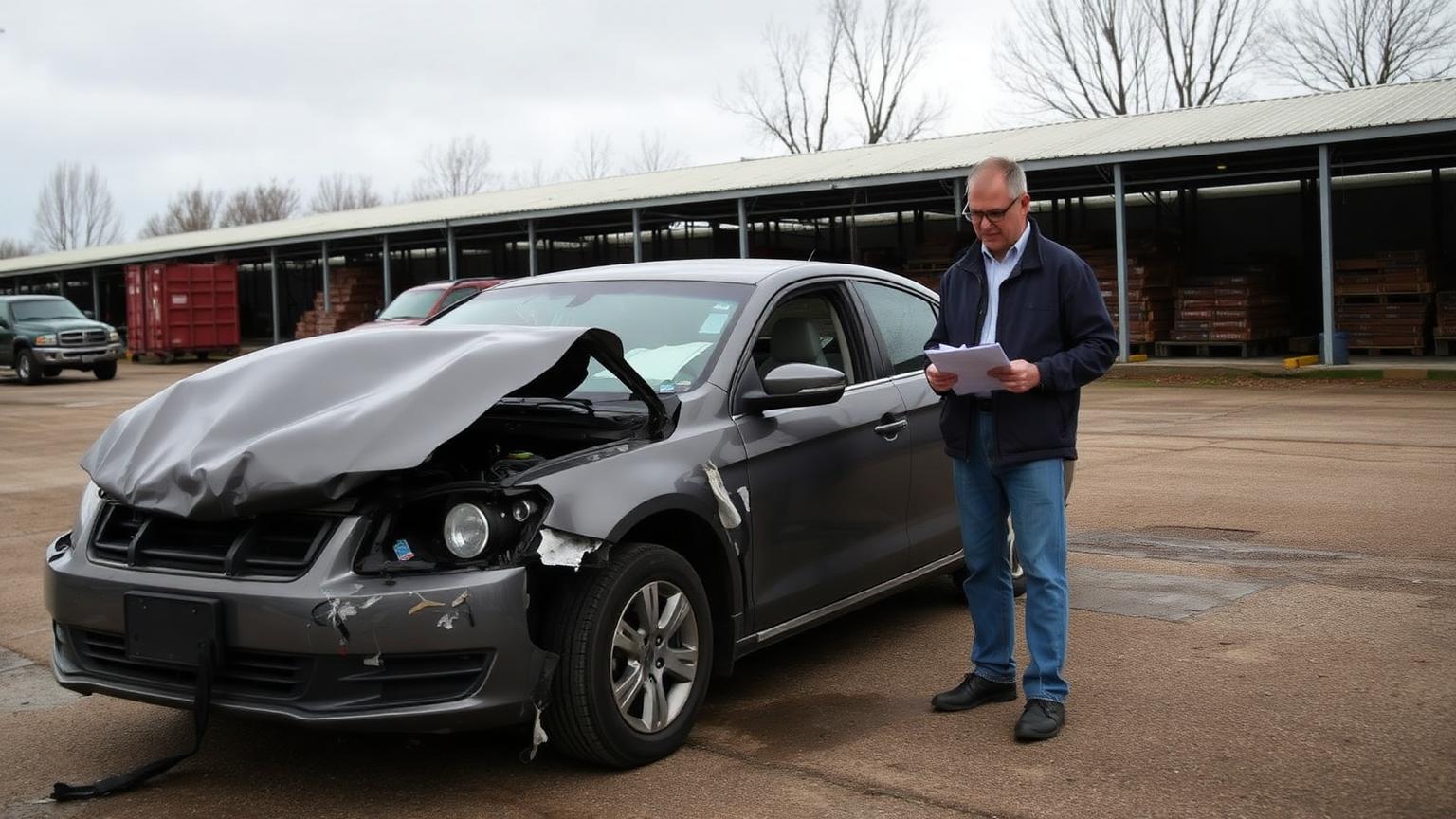
Insurers compare the cost of repair against the vehicle's actual cash value, adjusted for what the wreck can be sold for as salvage. California uses a total loss formula: when repair cost plus salvage value meets or exceeds actual cash value, the vehicle is declared a total loss. That means salvage value, a number you never see quoted, quietly sits inside the decision.
The number most worth challenging is actual cash value. It comes from a valuation report built on comparable local listings, adjusted for mileage, trim and condition. Those reports contain errors regularly: wrong trim level, missing options, comparables from a cheaper market, or condition assumptions that ignore documented recent work. You are entitled to see the report and to dispute specific line items with evidence.
Evidence means listings of genuinely comparable vehicles in your area, receipts for recent tyres, brakes or major service, and photographs of condition before the loss. A packet of five strong comparables and a stack of receipts moves numbers far more reliably than an argument about fairness.
If the car is repairable and you want to keep it, understand the trade: a salvage or rebuilt title permanently reduces value and complicates insurance. If it is repaired instead, insist that the repair follows manufacturer procedures with documented structural measurements and driver-assistance recalibration — because the paperwork is what a future buyer will actually be judging.
Where this is handled
GROZAH AUTO LAB
Collision, structural and paint work in Los Angeles — including ADAS recalibration and insurance claims.
Visit AUTO LAB →