Storing a car for three months without wrecking it
Cars deteriorate faster parked than driven. A short preparation routine prevents almost all of it.
By GROZAH RENTALS
Start with fluids. Change the oil before storage rather than after, because used oil carries acidic combustion byproducts that attack bearing surfaces while sitting. Top the fuel tank to limit condensation in the tank, and add a stabiliser if storage will exceed roughly three months.
Then the battery. Modern cars draw current continuously for modules and alarms, and a flat lead-acid battery sulphates permanently within weeks. A quality maintainer solves this for the price of one battery. On vehicles with sensitive electronics, follow the manufacturer's guidance on disconnection rather than improvising.
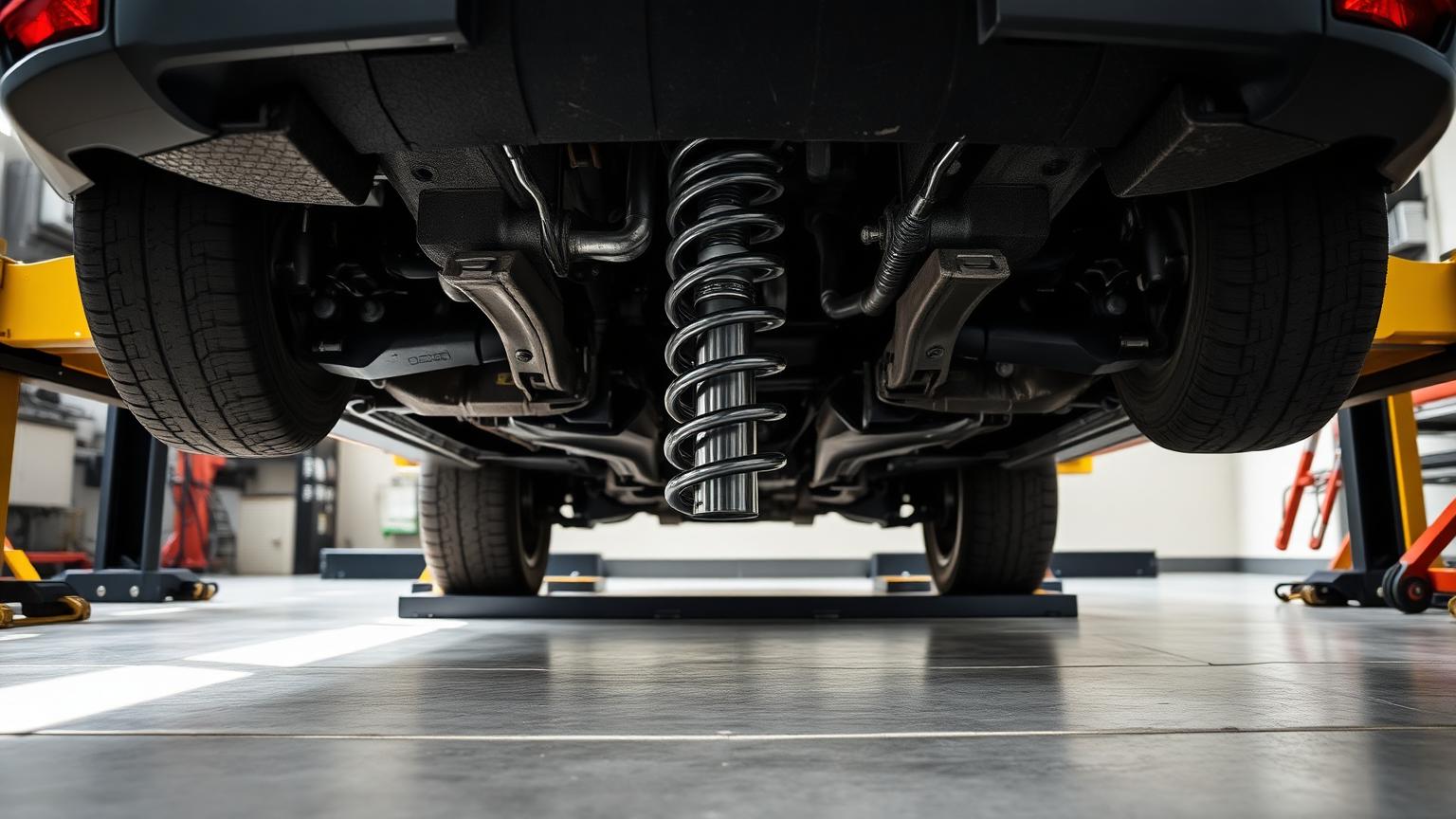
Tyres flat-spot when a car sits on the same contact patch, especially in heat. Inflate above normal pressure for storage and move the car occasionally if you can. Release the parking brake if the vehicle can be safely chocked, since brake pads left clamped against rotors can bond in humid conditions.
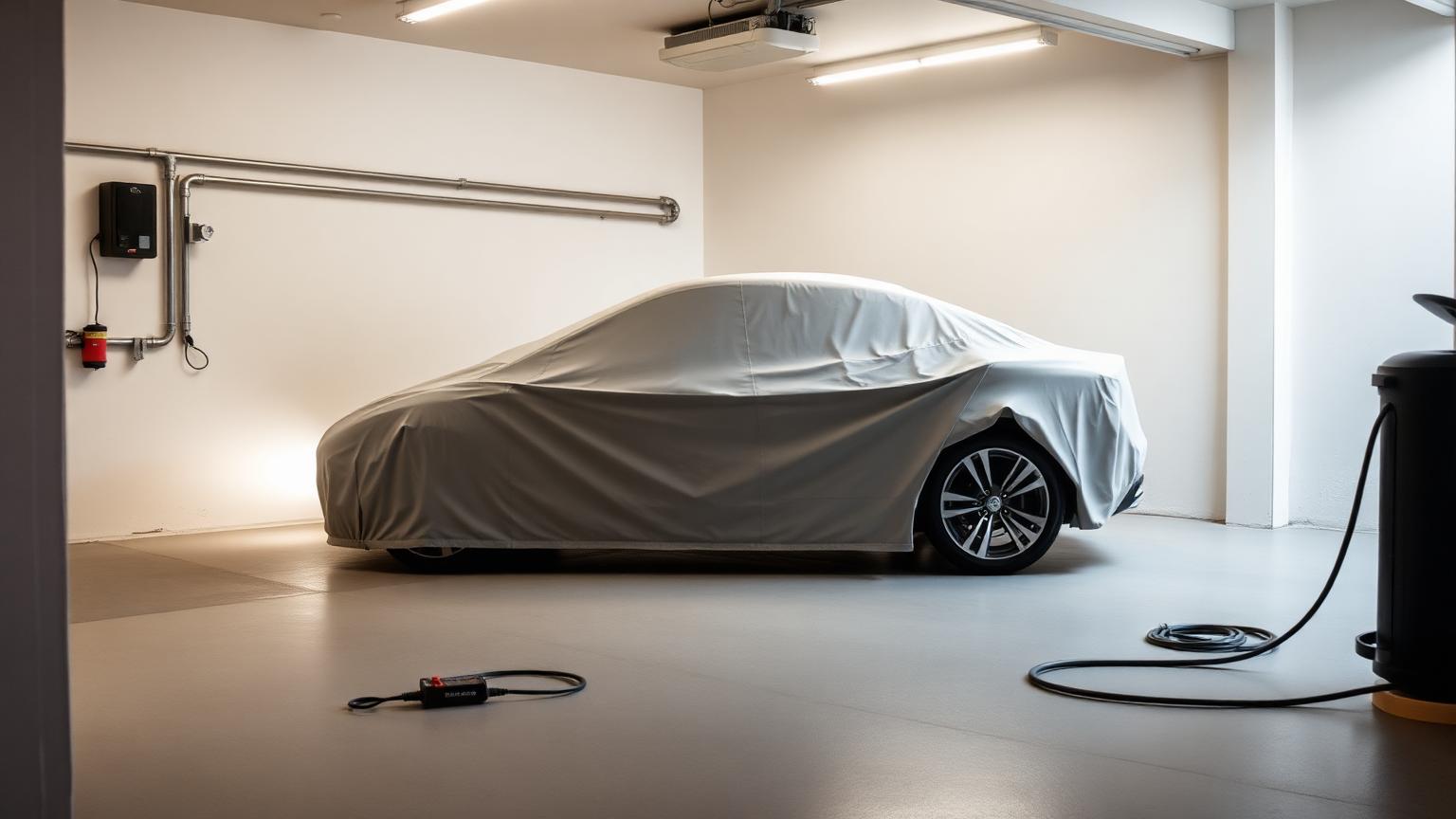
Finally, protect the surfaces and keep the pests out. Wash and protect the paint before covering, use a breathable cover rather than plastic, close the windows, and block obvious rodent entry points — chewed wiring harnesses are among the most expensive storage failures there are. Or simply have the car managed and driven periodically, which solves every item on this list at once.
Where this is handled
GROZAH RENTALS
Rental vehicles and full owner-side car management across Los Angeles.
Visit RENTALS →