Hybrid battery life: what two decades of data actually shows
The fear that killed hybrid resale value in 2008 has been thoroughly answered by fleets that are still driving.
By GROZAH MOTOR WORKS
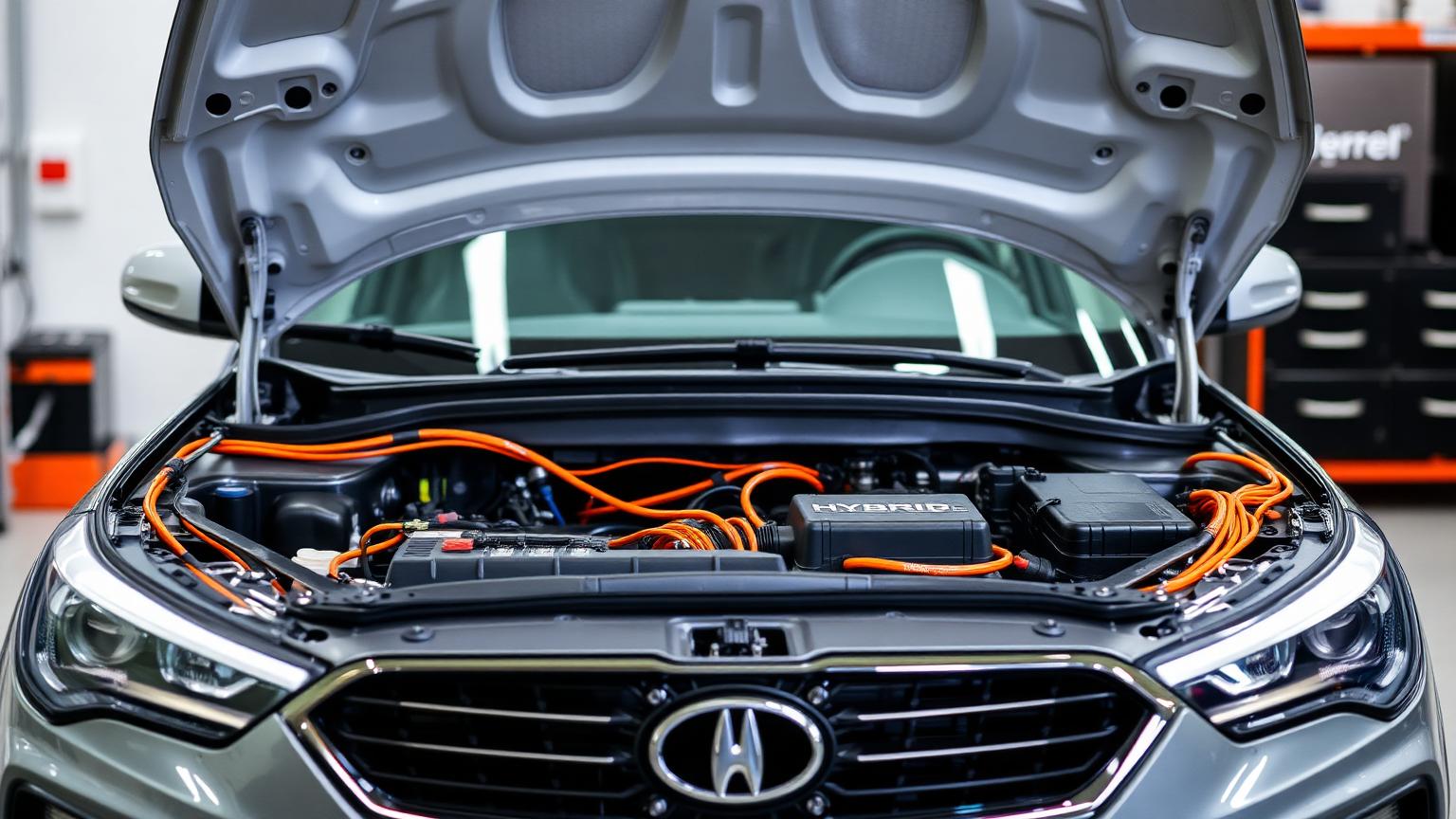
Conventional hybrids use small packs cycled within a narrow state-of-charge window, which is the gentlest possible duty cycle for a battery. That design choice — never fully charging, never fully depleting — is why high-mileage hybrid taxi fleets became the standard counter-example to early durability fears, with many packs outlasting the vehicles around them.
When packs do degrade, the failure is usually partial. Individual modules weaken, the system's usable capacity falls, and symptoms appear as reduced electric assist, more frequent engine running and eventually a warning. Module-level repair is often possible at a fraction of full pack replacement cost, and a healthy independent market exists for it.
Heat is the main accelerant, which matters in Southern California. Many hybrid packs are cooled by cabin air drawn through a vent, typically near a rear seat or parcel area, and that vent gets blocked by luggage, pet hair and dust. Cleaning it periodically is a genuine maintenance item that most owners have never heard of.
For buyers, that reframes the used hybrid question. Instead of asking whether the battery will fail, ask for a scan of pack health and module voltage spread, check that the cooling intake is clear, and confirm the vehicle's warranty position. A hybrid with documented pack data is one of the more predictable used purchases available.
Where this is handled
GROZAH MOTOR WORKS
Diagnostics, mechanical repair and scheduled maintenance for modern vehicles in Los Angeles.
Visit MOTOR WORKS →