The insurance claim, step by step, from crash to keys back
Nine stages, each with one thing that decides whether the next one goes smoothly.
By GROZAH AUTO LAB
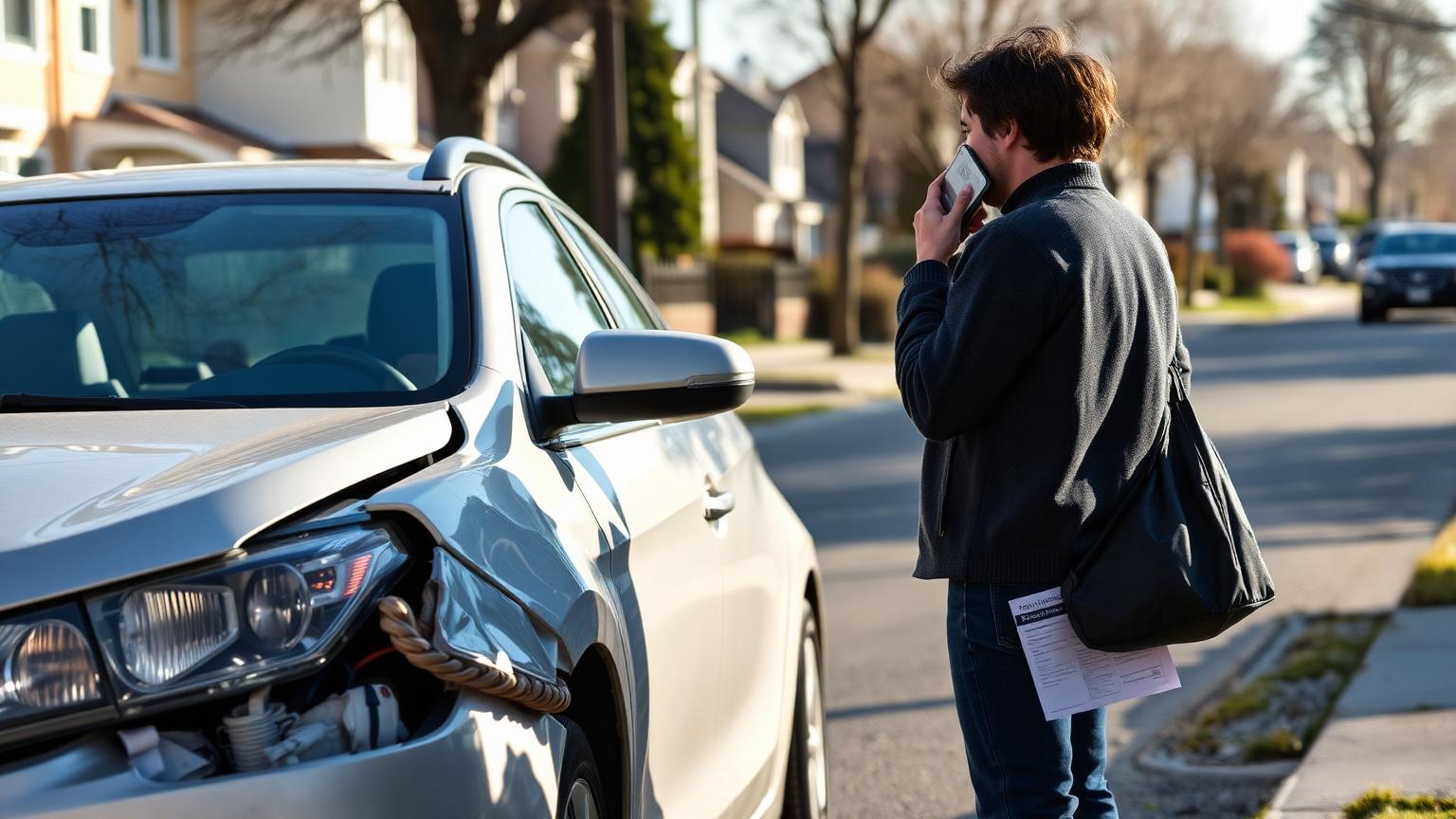
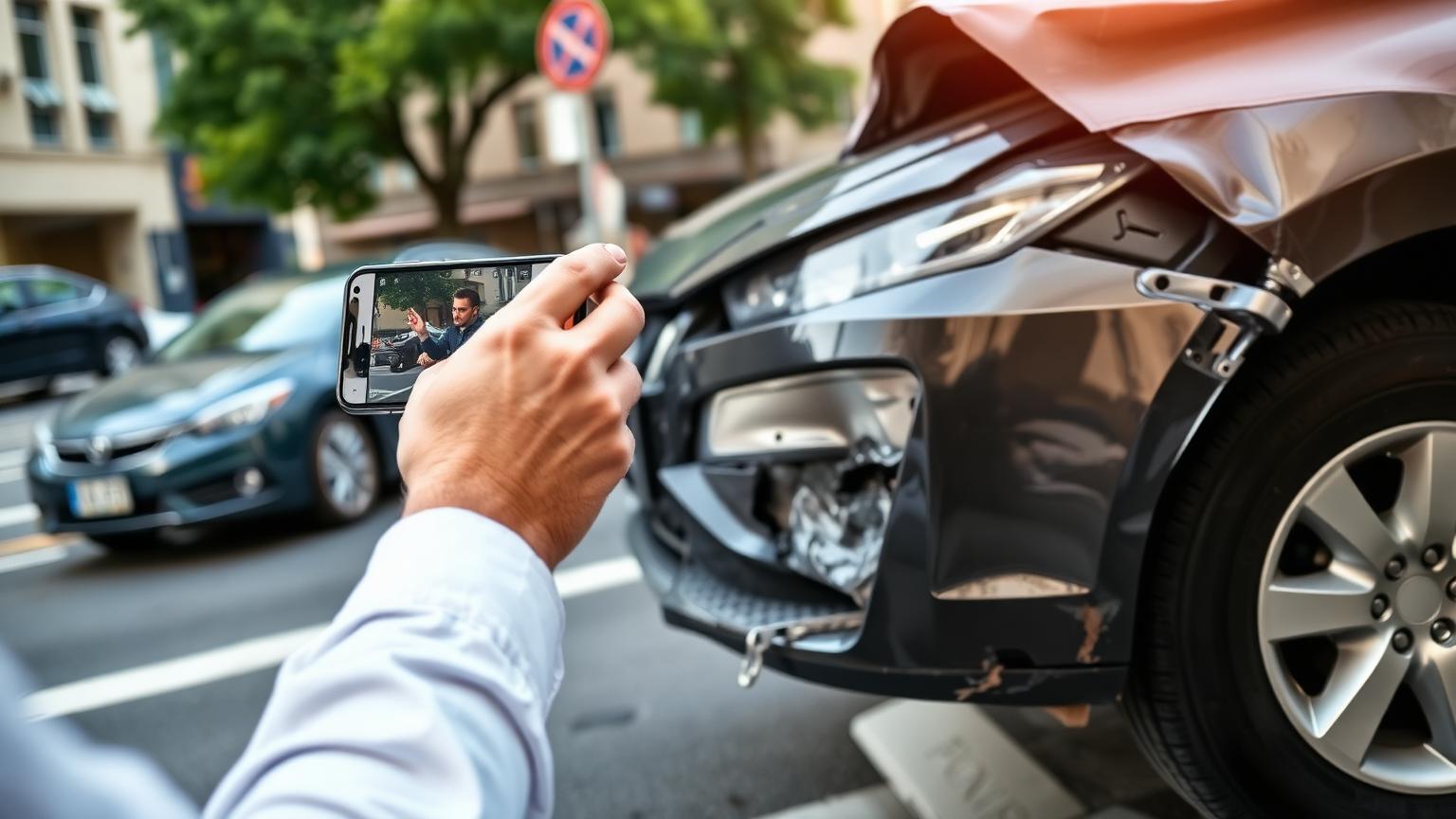
One: document the scene — positions, damage, other party's details, witnesses. Two: report the claim promptly and factually; delays create doubt. Three: choose your repair facility. In California the choice is yours; an insurer may recommend a network shop but cannot require one. Four: authorise teardown so hidden damage is found before, not during, the repair.
Five: the estimate and supplements. First estimates are written from visible damage; supplements after teardown are normal on modern unibody cars. Six: parts decisions — OEM, aftermarket or recycled — which affect both cost and, on structural or sensor-adjacent components, how the car performs afterwards. Get the choice in writing.
Seven: the repair itself, including structural measurement, refinishing and reassembly. Eight: driver-assistance recalibration and post-repair scanning, with reports. Nine: delivery inspection, where you check panel gaps in daylight, colour match from multiple angles, all electronics, and that every warning system behaves normally on a short drive.
The rental question runs alongside all nine. Coverage duration is limited by policy, and repairs on modern vehicles routinely exceed early estimates because of parts availability and calibration scheduling. Confirm your rental allowance at stage two rather than stage seven, and keep the repair file — it is the document that protects the car's value long after the claim closes.
Where this is handled
GROZAH AUTO LAB
Collision, structural and paint work in Los Angeles — including ADAS recalibration and insurance claims.
Visit AUTO LAB →