Mercedes AIRMATIC: the four failure points, ranked by cost
A car that settles overnight, a harsh ride, or a compressor that never stops. Same system, four very different bills.
By GROZAH MOTOR WORKS
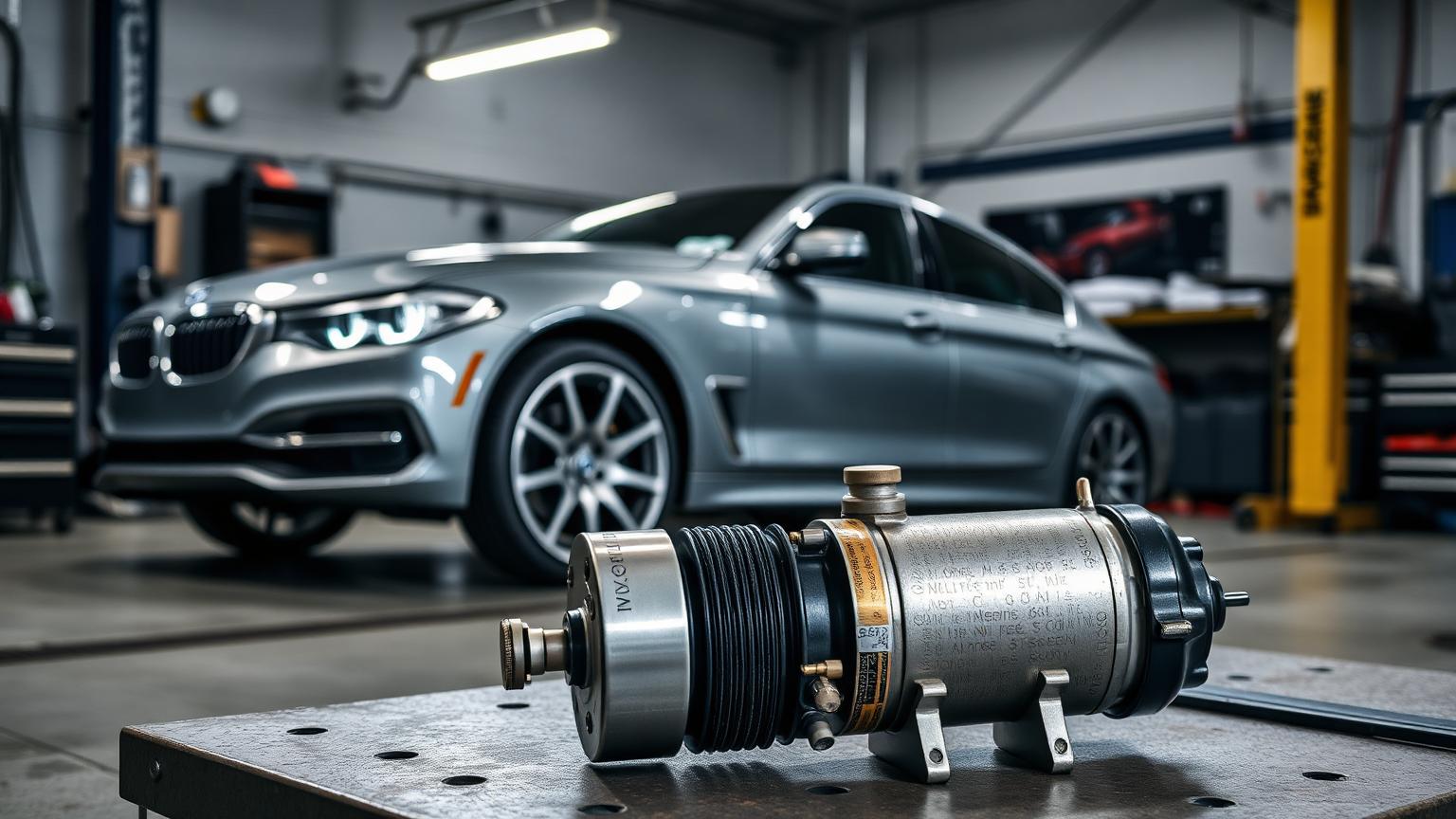
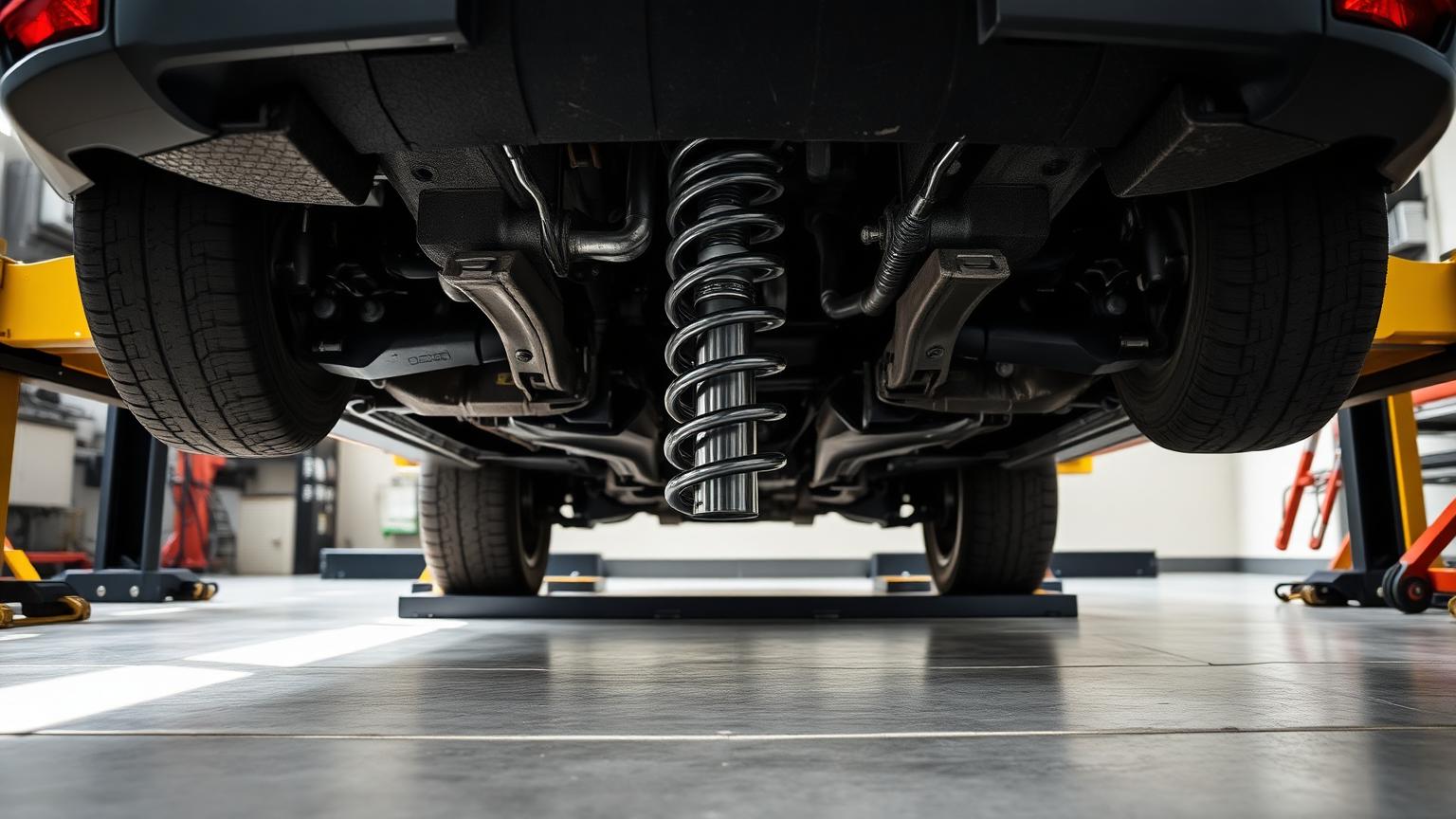
AIRMATIC failures cluster in four places. Cheapest first: the air lines and fittings, where a hairline leak at a connector mimics a failed strut exactly. Then the valve block, which distributes air between corners and leaks internally as its seals age. Then the compressor and dryer assembly. Most expensive: the air struts themselves, which combine the spring and damper in one unit.
Because the symptoms overlap, sequence matters. A car that drops on one corner overnight but holds when the ignition is on points at a strut or line leak. A car that drops on multiple corners points at the valve block. A compressor that runs constantly is compensating for something else and is usually the last domino, not the first.
The diagnostic path is pressurise, listen, then measure: soap test around struts, lines and the valve block; scan data for compressor duty cycle and per-corner target versus actual height; then a repeat test after correcting any leak. Height sensors deserve their own check, because a bad sensor makes a healthy system behave like a broken one.
Two decisions save owners real money. Replace struts in axle pairs so ride height and damping stay symmetrical, and always replace the dryer when a compressor is replaced — a saturated dryer pushes moisture into the system and kills the new compressor. Converting to coil springs is possible on some chassis, but it disables the adaptive damping the car was engineered around.
Where this is handled
GROZAH MOTOR WORKS
Diagnostics, mechanical repair and scheduled maintenance for modern vehicles in Los Angeles.
Visit MOTOR WORKS →