Oil change intervals: who is right, the manual or the shop?
Neither, always. The correct interval depends on how the car is driven, and Los Angeles traffic is closer to severe service than most owners believe.
By GROZAH MOTOR WORKS
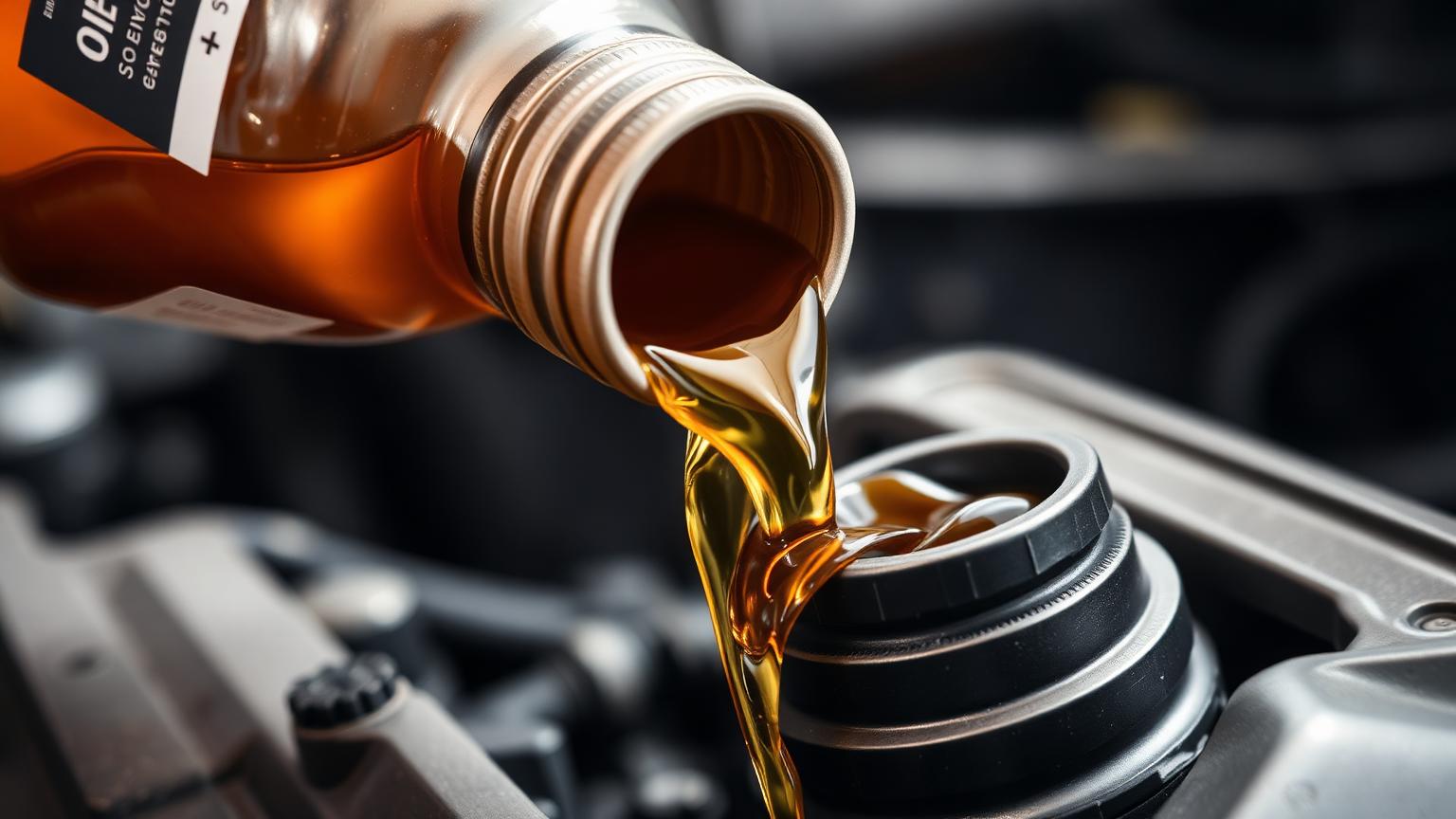
Manufacturers publish two schedules: normal and severe service. Severe usually means frequent short trips, extended idling, stop-and-go traffic, high ambient temperatures, dusty conditions or towing. Read that list and then think about a daily commute on the 405 in August. Most Los Angeles driving qualifies as severe under the manufacturer's own definition.
Why it matters mechanically: short trips prevent the oil from reaching temperature long enough to evaporate accumulated fuel and moisture, which dilutes the oil and accelerates additive depletion. Idling adds hours of operation the odometer never records. Heat accelerates oxidation. None of that shows up in the mileage number the interval is written against.
The 3,000-mile rule is genuinely obsolete for modern full-synthetic oils; so is uncritical faith in a 15,000-mile figure achieved on a highway-heavy test cycle. For most modern engines in this climate, a synthetic interval in the 5,000 to 7,500 mile range with the correct specification is a defensible middle, and turbocharged and direct-injection engines belong at the shorter end.
If you want certainty rather than a rule of thumb, used oil analysis costs very little and tells you exactly how your oil is holding up in your car on your commute. Do it twice and you will know your real interval — which is worth more than any generic recommendation, including this one.
Where this is handled
GROZAH MOTOR WORKS
Diagnostics, mechanical repair and scheduled maintenance for modern vehicles in Los Angeles.
Visit MOTOR WORKS →