Tesla body repair: what owners learn the expensive way
Structural castings, aluminium panels and a battery pack under the floor change what a collision repair even means.
By GROZAH AUTO LAB
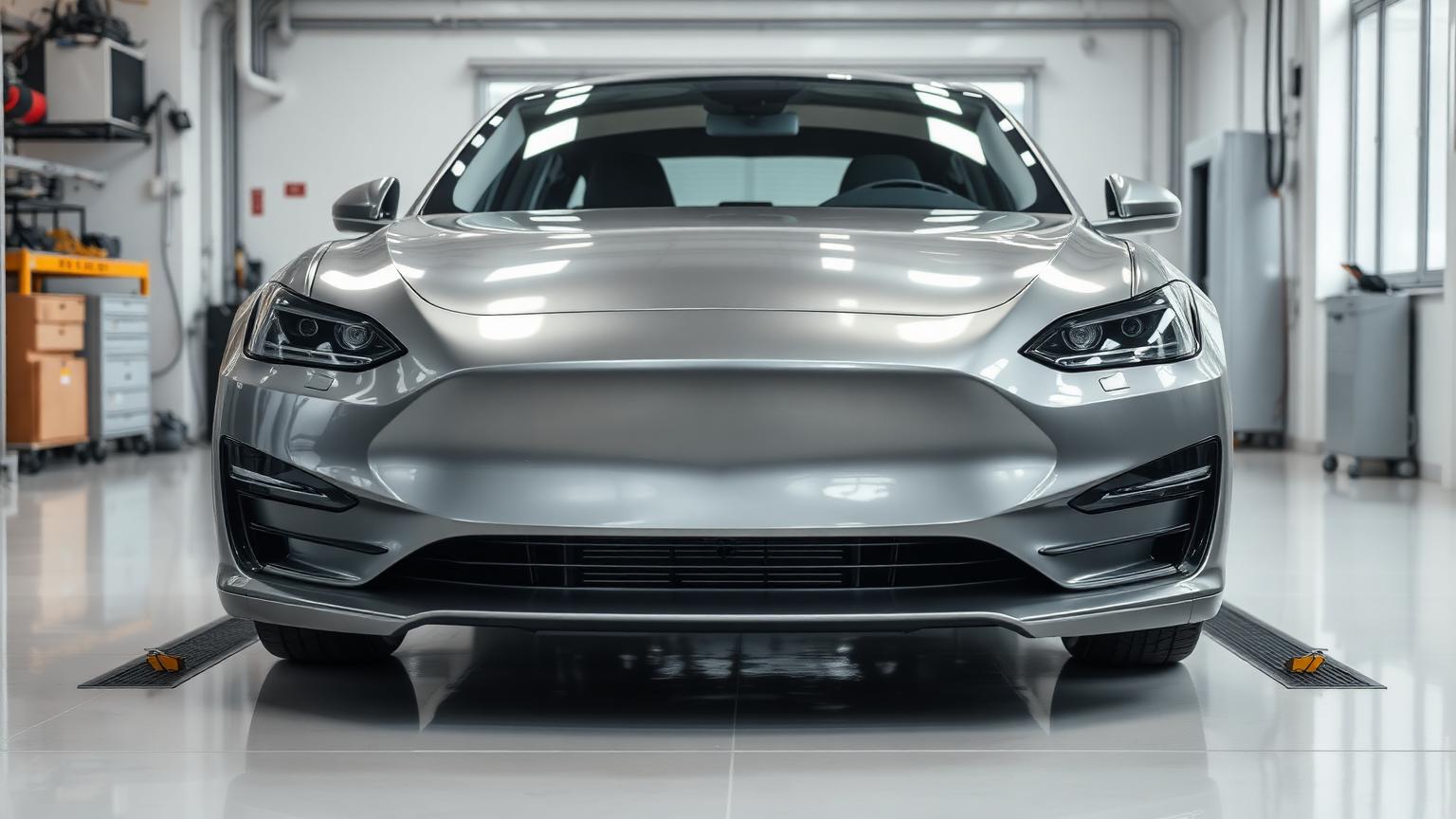
Modern EVs, Teslas prominently among them, use large single-piece castings and aluminium structures where conventional cars used many stamped steel parts. Castings are efficient to build and unforgiving to repair: sections that would have been cut and replaced on a steel unibody may require replacing a much larger assembly, which is why repair estimates escalate faster than the visible damage suggests.
The battery pack is the second factor. It forms part of the floor structure, so underbody impacts and side impacts require inspection of the pack and its mounting, following high-voltage safety procedures. Shops must be equipped and trained to isolate and handle high-voltage systems before a technician touches the car at all.
Panel gaps and alignment also matter more than on a conventional car, because aerodynamic efficiency and water sealing depend on them, and because owners of these vehicles inspect them closely. Restoring gap tolerances on an aluminium structure requires measuring equipment and patience rather than adjustment by feel.
The owner's takeaways are practical: confirm the shop is equipped for high-voltage work and for aluminium repair with proper separation from steel; expect parts availability to influence the timeline more than labour does; and insist on documented structural measurement and post-repair scanning, because on these platforms the electronics are the safety structure as much as the metal is.
Where this is handled
GROZAH AUTO LAB
Collision, structural and paint work in Los Angeles — including ADAS recalibration and insurance claims.
Visit AUTO LAB →