Turbocharged engines: five habits that add years of service
Almost every new engine is turbocharged now. Almost nobody adjusted their driving habits when that happened.
By GROZAH MOTOR WORKS
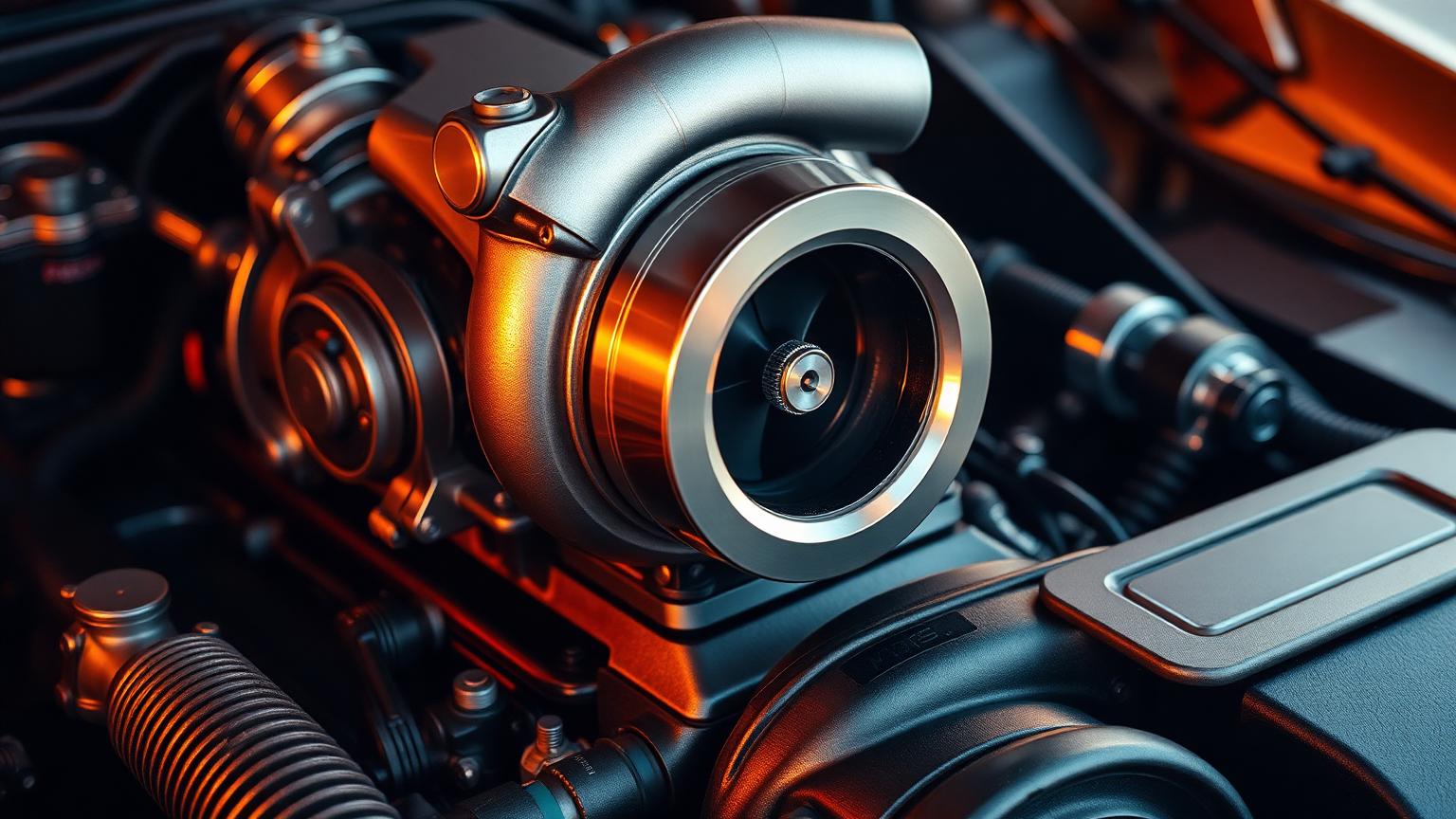
One: let the oil reach temperature before demanding boost. A turbocharger's bearings are fed by engine oil, and cold oil flows poorly. The first few minutes at light load cost you nothing and protect the most heat-stressed component in the engine bay.
Two: after sustained high load — a long climb, a fast highway run — give the engine thirty to sixty seconds at idle before shutdown. Turbine shafts keep spinning after the engine stops feeding them oil, and residual heat can coke the oil in the bearing housing. Modern water-cooled housings reduce this risk substantially, but they do not eliminate the benefit of a brief cooldown.
Three: shorten oil intervals and use exactly the specified grade. Turbo bearings are unusually sensitive to oil quality and shear, and coked oil galleries are a silent killer. Four: replace air filters on schedule, because a compressor wheel damaged by ingested debris is not repairable.
Five: treat boost-related symptoms as urgent rather than gradual. A whistle that changes pitch, a whine that follows engine speed, blue smoke at start-up or an unexplained drop in power are early signals. Diagnosed early, the fix is often a hose, an intercooler pipe or a wastegate actuator. Ignored, it becomes a turbocharger and the downstream damage a failing one causes.
Where this is handled
GROZAH MOTOR WORKS
Diagnostics, mechanical repair and scheduled maintenance for modern vehicles in Los Angeles.
Visit MOTOR WORKS →