Buying a used EV in 2026: the checklist most buyers skip
Battery health is one line in a longer list. Charging hardware, software support and thermal design decide whether the car is still good in three years.
By GROZAH AUTO SALES
Start with the pack, but go past the headline percentage. Pull cell voltage spread under light load; a wide spread means one weak group defines the whole pack's usable range. Ask for the vehicle's fast-charge history relative to total energy throughput, and find out whether the pack is liquid-cooled — passively cooled packs age faster in Southern California heat.
Then check the warranty position precisely. Federal rules require at least eight years or 100,000 miles of battery coverage on EVs, with California applying its own longer requirements to many vehicles, but the replacement threshold matters as much as the term: a pack that degrades to 71 percent may sit just outside a 70 percent trigger. Ask what the trigger is and whether coverage transfers.
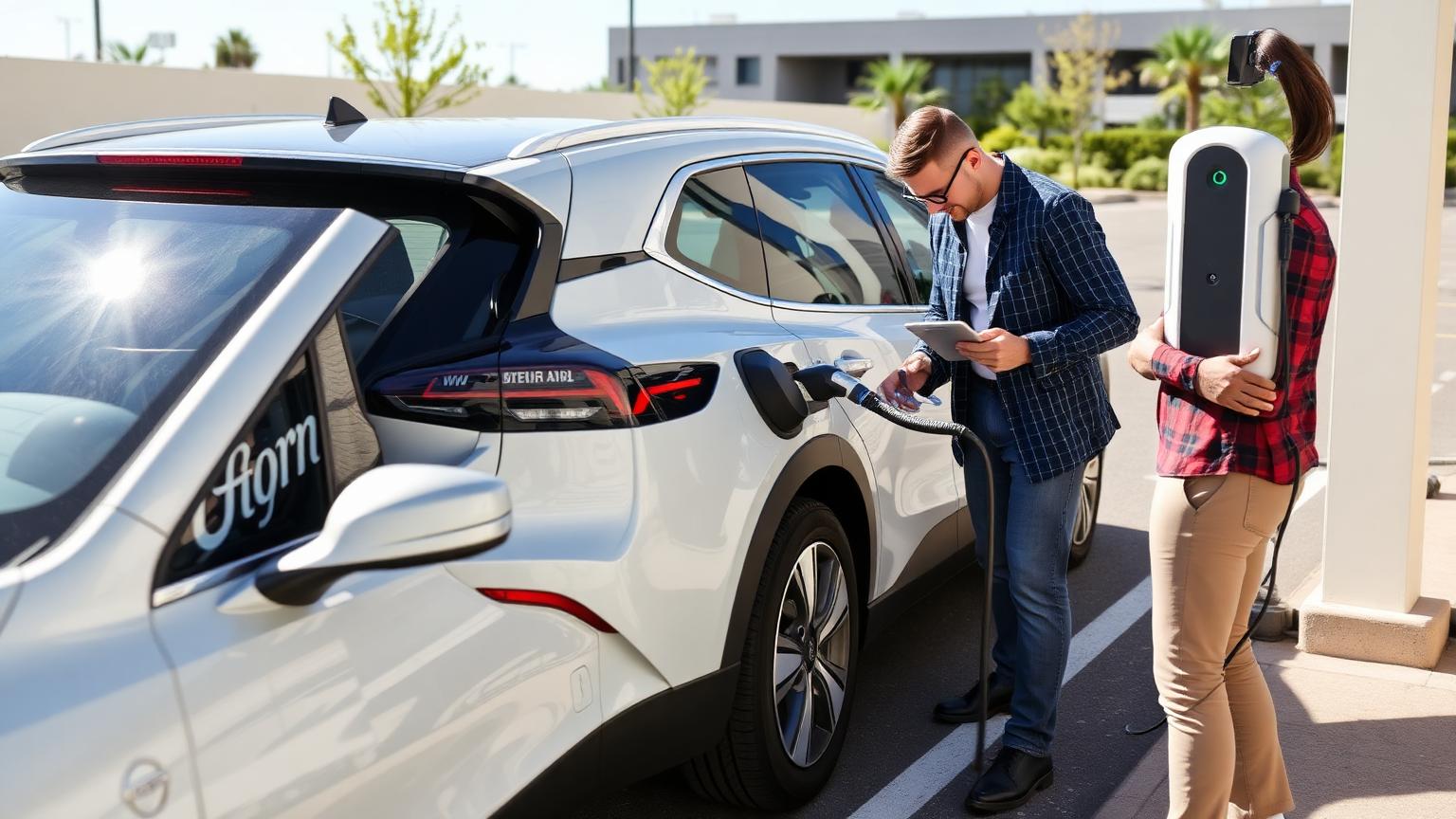
Next, the charging hardware. Confirm the onboard AC charger's kilowatt rating, because that determines overnight home charging speed far more than the pack size. Confirm DC fast charge capability and which connector standard it uses, and test an actual fast-charge session if you can — a car that tapers early has a thermal or contactor issue worth knowing about.
Finally, software and service support. Check whether the vehicle still receives over-the-air updates, whether any open recalls exist, and whether independent shops in your area can service the platform's high-voltage systems. An EV with a healthy pack and no local service capability is a car with an expensive future.
Where this is handled
GROZAH AUTO SALES
Buyer-side brokerage: sourcing, lease-versus-finance modelling and deal negotiation.
Visit AUTO SALES →