What a vehicle history report will never tell you
A clean report is a good sign and a weak guarantee. Whole categories of damage never make it into the database.
By GROZAH AUTO SALES

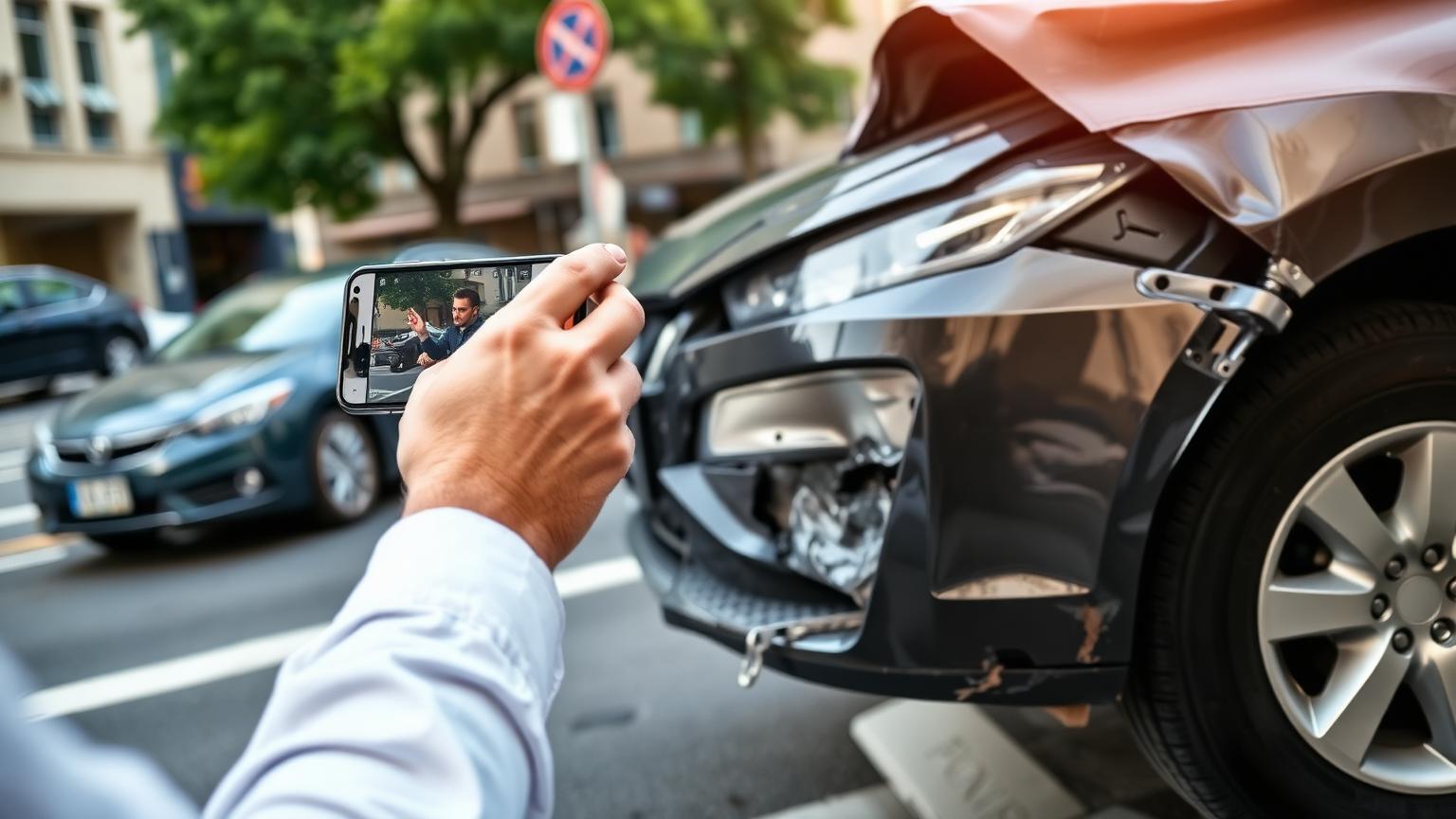
History reports aggregate reported events: insurance claims that were filed, title brands that were issued, service visits at participating shops, registration changes and reported odometer readings. Everything in that sentence depends on somebody reporting. A collision paid for in cash, repaired at a shop that does not report, generates no entry at all.
That is why the physical inspection outranks the report. A paint depth gauge across every panel reveals refinishing that no database recorded. Overspray on trim and weatherstripping, mismatched panel gaps, replaced fasteners with disturbed paint, and inconsistent underbody sealant tell the story of repair work directly.
Reports also lag. Recent accidents may not appear for weeks, and a car listed unusually soon after purchase deserves a hard look regardless of what the database says today. Mileage records are similarly incomplete: a single reported reading between long gaps proves less than it appears to.
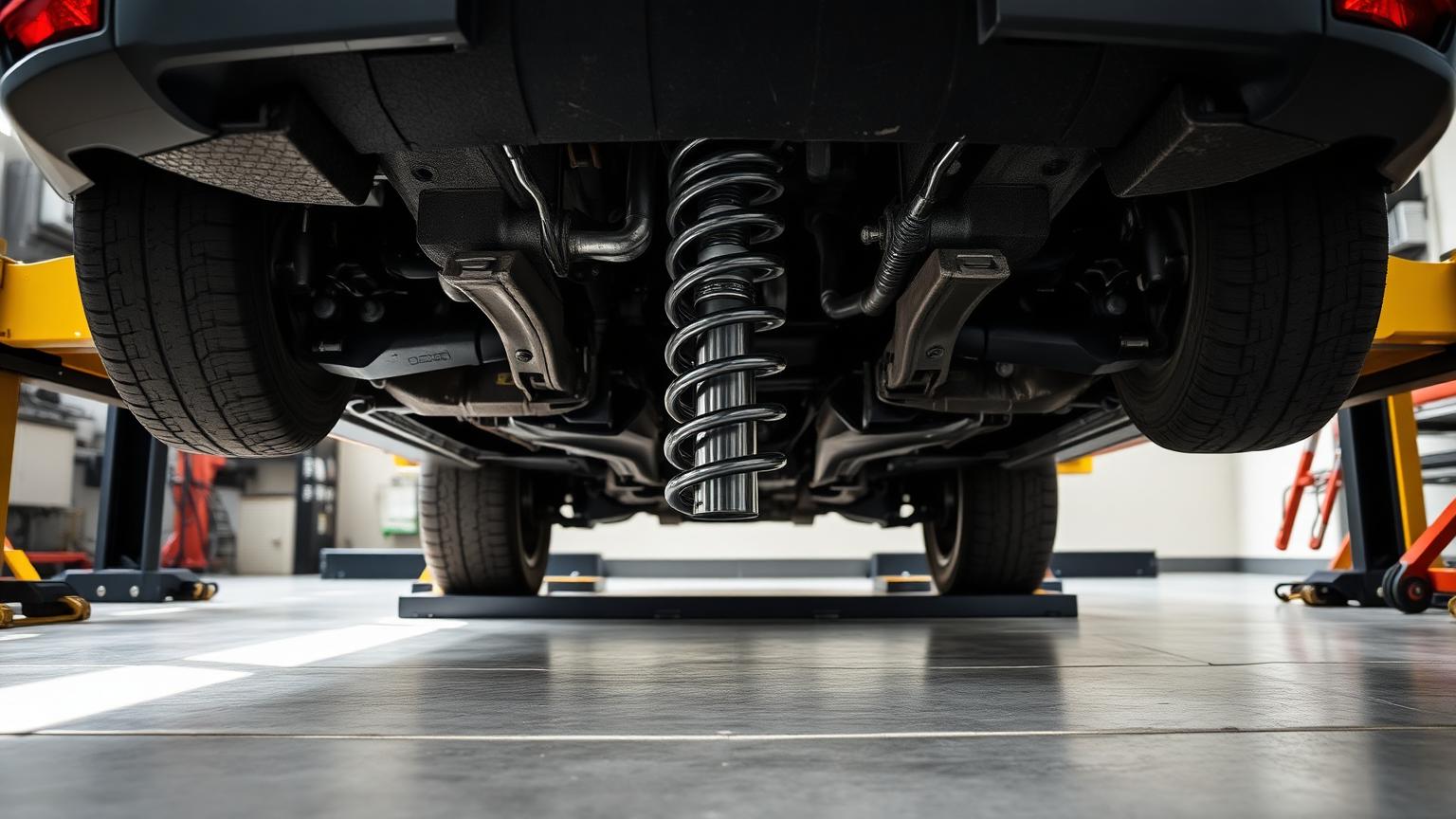
Use the report for what it is genuinely good at — spotting title brands, flood and salvage history, lease and rental use, and a pattern of many owners in a short window. Then spend the money that actually protects you: an independent pre-purchase inspection on a lift, with a paint gauge, a scan tool and someone who has no stake in the sale.
Where this is handled
GROZAH AUTO SALES
Buyer-side brokerage: sourcing, lease-versus-finance modelling and deal negotiation.
Visit AUTO SALES →