Wheel alignment: when you actually need one, and what the printout means
Alignment is sold constantly and explained rarely. Three angles decide how your car steers and how fast your tyres disappear.
By GROZAH MOTOR WORKS
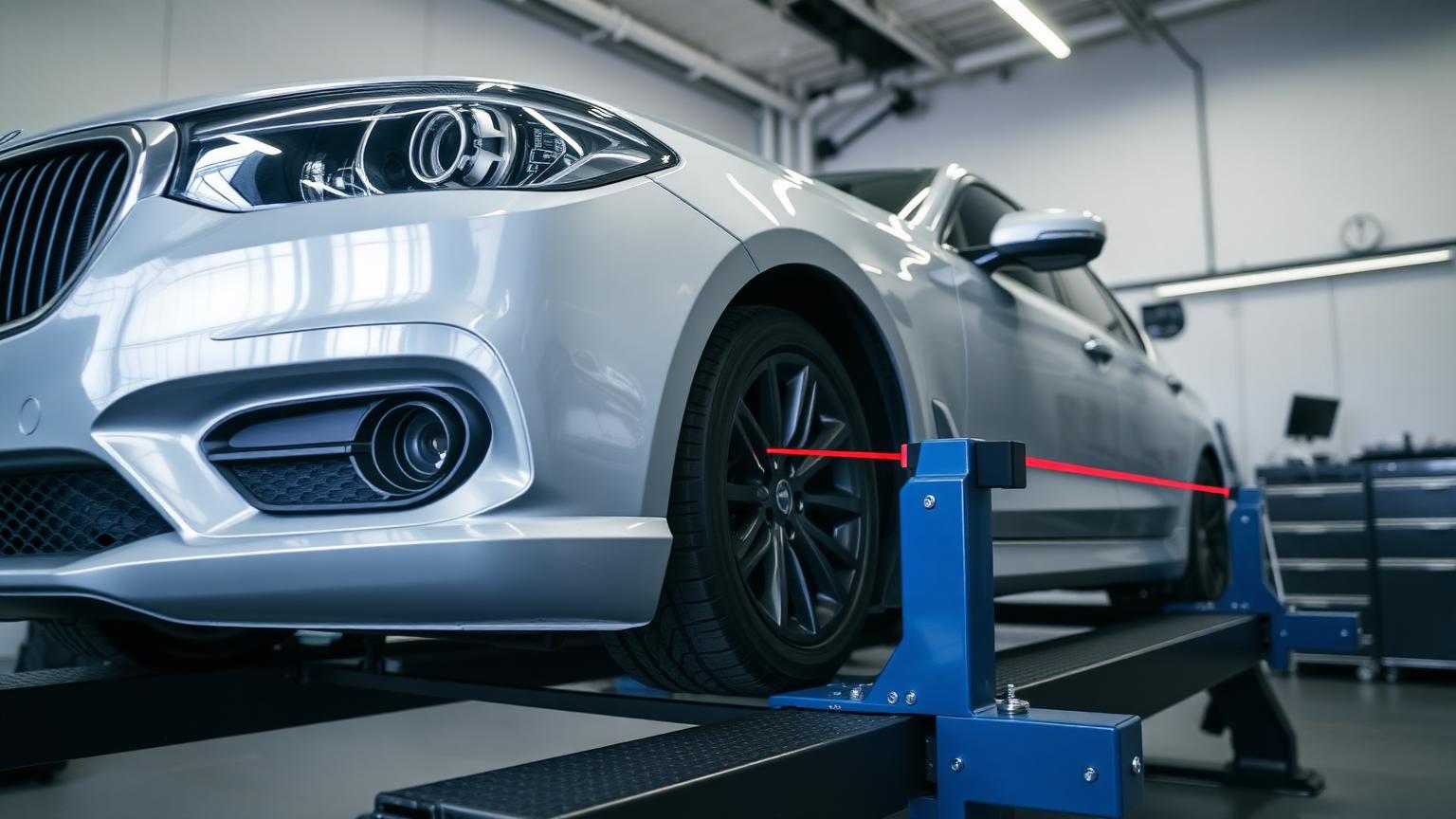
Three angles matter. Toe is whether the wheels point slightly inward or outward relative to each other; it is the single largest cause of rapid, feathered tyre wear. Camber is the inward or outward lean of the wheel from vertical, which wears one edge of the tread. Caster is the steering axis tilt that determines straight-line stability and steering return.
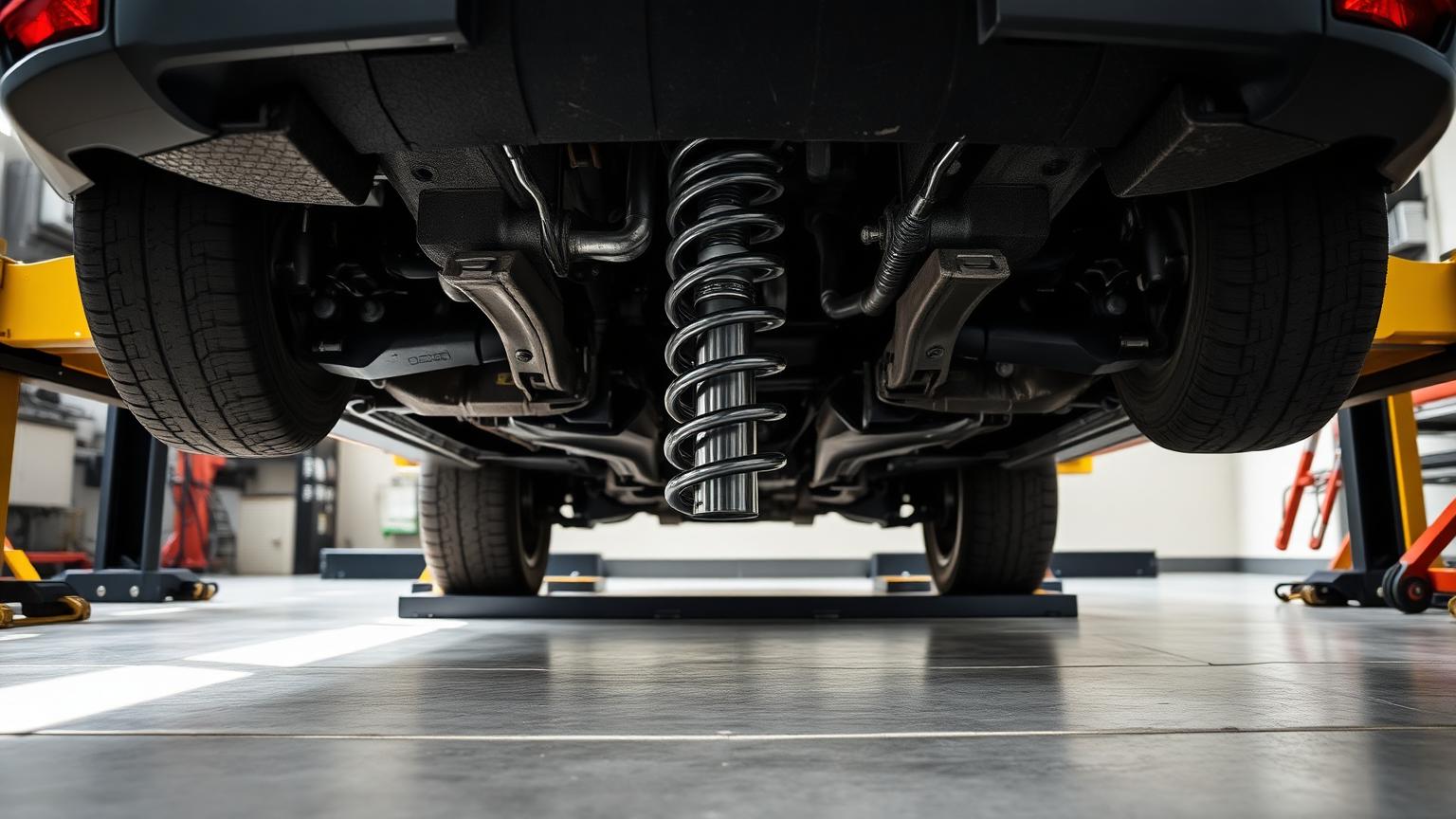
You need an alignment after any suspension component is replaced, after a significant pothole or kerb impact, after collision repair, when tyres are replaced, and whenever you see uneven wear or feel the car pulling. Ride height changes — springs, coilovers, air suspension repairs — change camber and toe by definition and always require it.
Read the printout rather than trusting the summary. It shows before and after values against the manufacturer's specification range for each angle, per wheel. Angles that were within spec before the work suggest nothing was actually corrected; angles that remain outside spec after the work suggest a bent or worn component that no adjustment can compensate for.
That last case is common and worth understanding: a worn control arm bushing, a tired ball joint or a bent knuckle cannot be aligned into specification. If a shop cannot bring a wheel into range, the correct answer is a parts diagnosis — not a set of numbers reported as "as good as it gets."
Where this is handled
GROZAH MOTOR WORKS
Diagnostics, mechanical repair and scheduled maintenance for modern vehicles in Los Angeles.
Visit MOTOR WORKS →