Why a "small" bumper repair costs what it costs
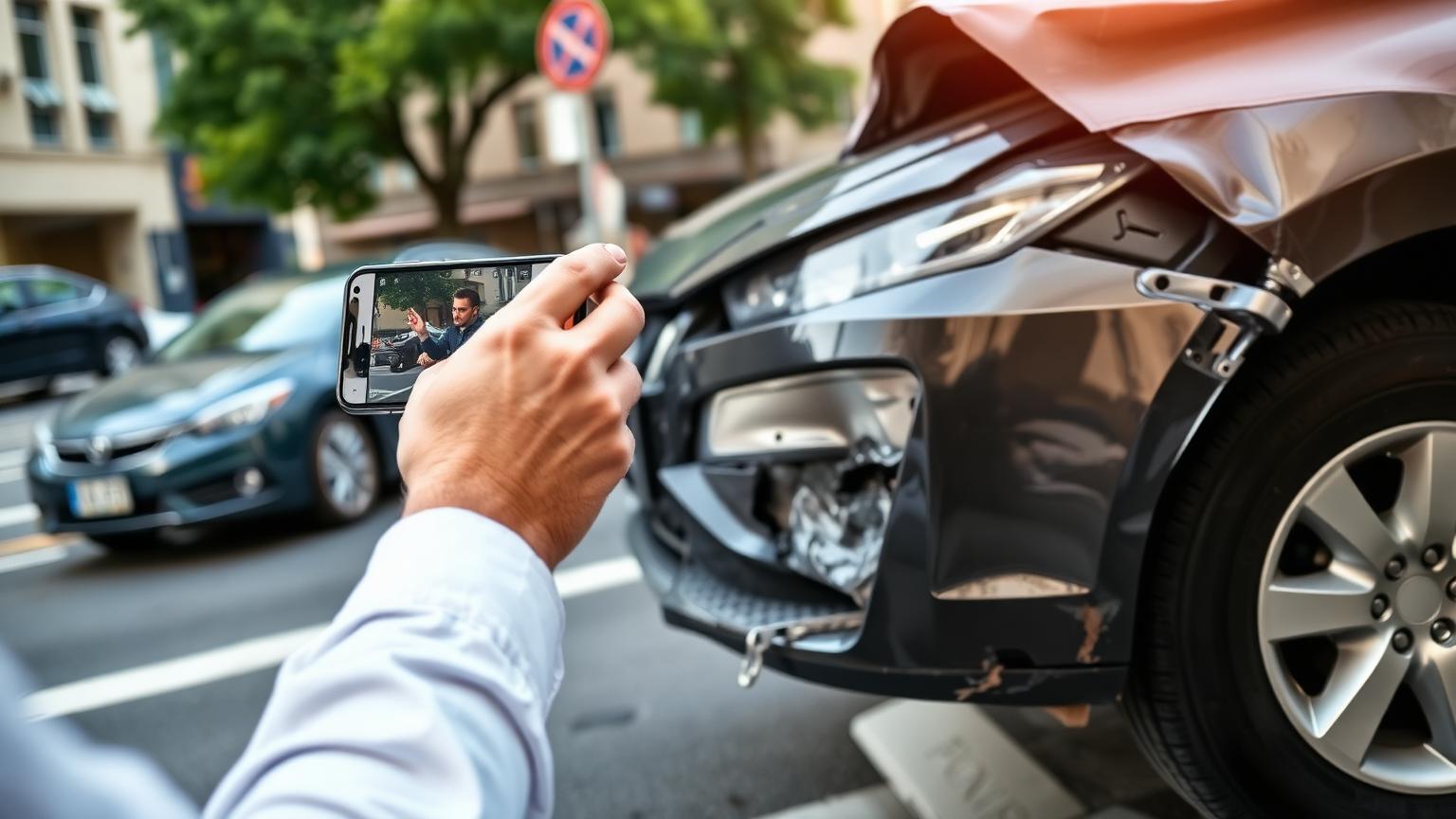
The cover is plastic and the scuff is shallow. The invoice is four figures. Here is exactly where that money goes.
By GROZAH AUTO LAB
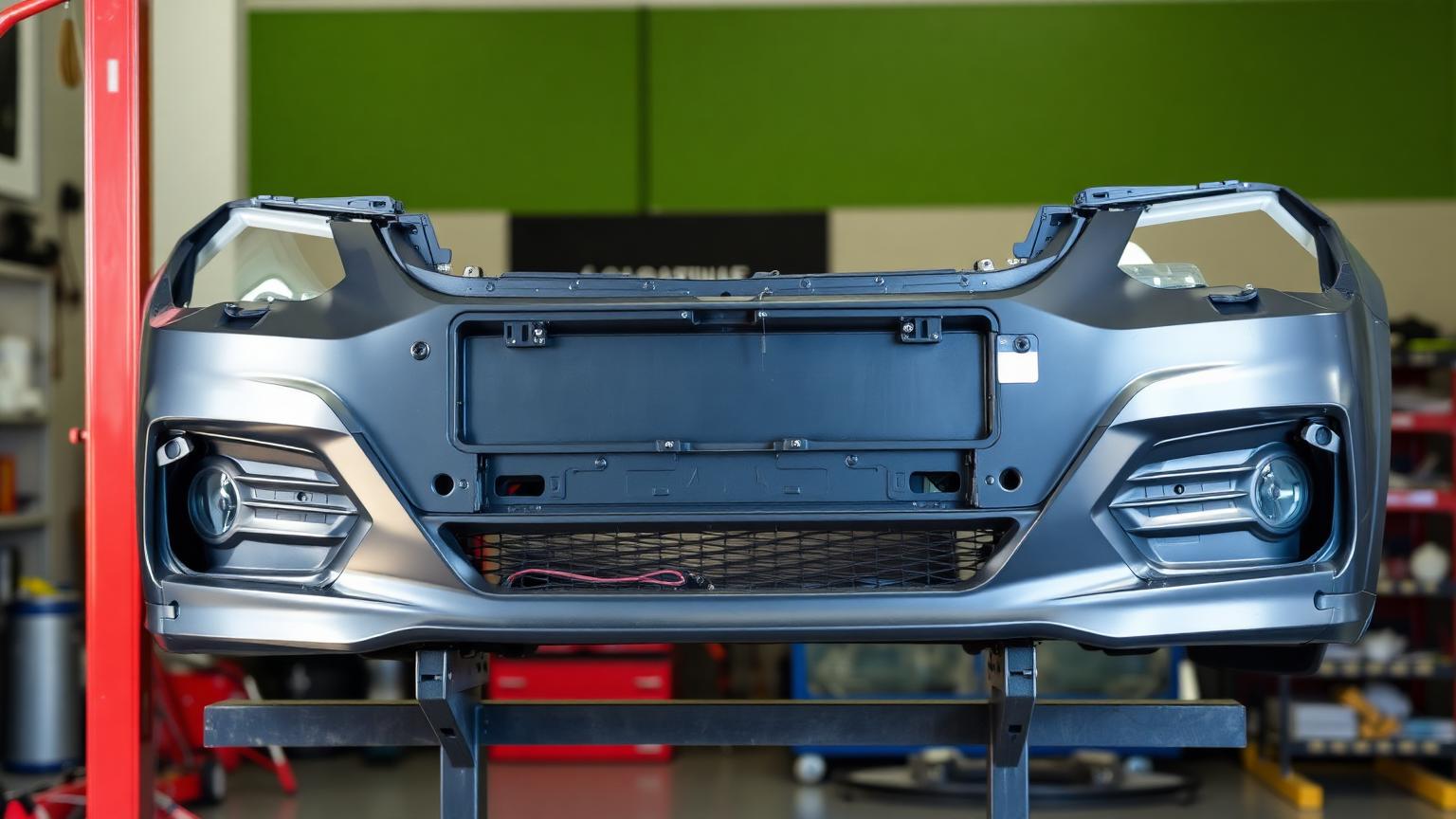
A modern bumper is a system, not a panel. Behind the painted cover sit an energy absorber, a reinforcement beam, mounting brackets, and — increasingly — parking sensors, a forward radar unit, a camera, wiring harnesses and sometimes a pedestrian-impact sensor. A scuff that looks cosmetic frequently sits directly over hardware that must be removed, inspected and re-aimed.
Then there is paint. Matching a modern finish is not opening a can labelled with the paint code. Metallic and pearl finishes vary by production batch and age differently in sun, so a correct match requires a spray-out card compared against the actual panel, plus blending into adjacent panels so the transition is invisible. Blend time is real labour on a real booth schedule.
Plastic itself adds steps: cleaning and adhesion promoter, flexible primer, correct substrate repair for cracks and tabs, and cure time. Skipping any of it produces a repair that looks perfect for six months and then peels at the edge — which is the actual reason cheap bumper work is expensive.
Finally, calibration. If the repair disturbed radar, camera or ultrasonic sensors, those systems need recalibration and documentation. Add it all up and the invoice stops looking arbitrary: you are paying for hardware handling, colour science, correct plastic process and proof that the car's safety systems still see the road properly.
Where this is handled
GROZAH AUTO LAB
Collision, structural and paint work in Los Angeles — including ADAS recalibration and insurance claims.
Visit AUTO LAB →